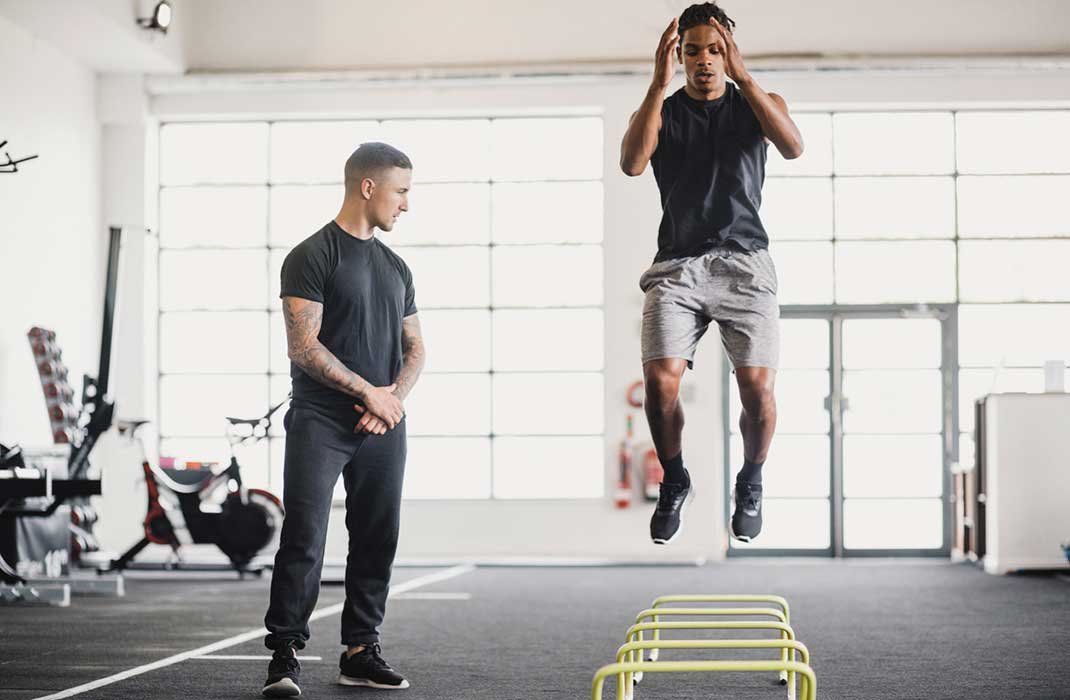
Hey there, fellow sweat enthusiast—or maybe you’re just dipping your toes into the wild world of workouts. I’m Alex Rivera, a former college soccer player turned sports rehab coach who’s spent the last 15 years helping weekend warriors and elite athletes alike dodge the dark side of exercise. Back in my playing days, I twisted an ankle so badly during a pickup game that I hopped around like a deranged kangaroo for weeks. It was equal parts humiliating and eye-opening, teaching me that the line between “beast mode” and “beast-ed” is thinner than a yoga mat. In this handbook, we’ll laugh at the mishaps, nod at the triumphs, and arm you with real tools to keep moving without the meltdown. Because let’s face it: life’s too short for sidelined regrets.
Whether you’re lacing up for a 5K or finally tackling that home gym setup, physical exertion promises perks like a sharper mind and a happier heart. But it also flirts with perils—those sneaky sprains and stubborn strains that can bench you faster than a bad ref call. Drawing from my clinic battles and chats with pros, we’ll unpack it all: the why, the how-to-fix-it, and the don’t-try-this-at-home tales. Stick around; by the end, you’ll be ready to charge ahead, wiser and with fewer ice packs in your future.
The Thrilling Perks of Pushing Your Body
Picture this: You’re mid-stride on a trail run, lungs burning, endorphins flooding in like an uninvited party guest who actually brings good vibes. That’s the magic of physical exertion—it’s not just about the sweat; it’s the full-body high that keeps you coming back. From slashing your risk of chronic diseases to boosting your mood on dreary days, sports and exercise are like a Swiss Army knife for well-being. Studies from the CDC back this up, showing regular activity can add years to your life while making the ones you have feel electric.
But here’s the real kicker: these perks aren’t reserved for Olympians. Even moderate jaunts—like brisk walks or casual pickup games—deliver dividends. Heart health improves, stress melts away, and suddenly, that work deadline doesn’t feel like the end of the world. In my coaching, I’ve seen clients transform from couch skeptics to trail blazers, all because they embraced the grind. It’s proof that a little push goes a long way, turning “I can’t” into “Watch me.”
Of course, the perks shine brightest when you balance them with smarts—because unchecked exertion can flip the script to peril. That’s where understanding the risks comes in, ensuring your gains outpace the groans.
The Sneaky Perils Lurking in Your Workout
Ah, the perils—the uninvited plot twists that turn a triumphant gym sesh into a tale of woe. Overuse, awkward twists, or just plain bad luck can sideline even the fittest folks, leading to everything from minor tweaks to major setbacks. According to the National Institutes of Arthritis and Musculoskeletal and Skin Diseases (NIAMS), acute hits like falls cause sudden drama, while chronic grinders build quietly until boom: inflammation city. I’ve patched up enough runners with shin splints to know the signs—persistent ache, swelling that laughs at ibuprofen.
These perils aren’t just physical; they mess with your head too, breeding frustration and that nagging fear of “What if I never run again?” Yet, they’re often preventable with a dash of awareness. Think of them as speed bumps, not roadblocks—annoying, but navigable if you spot them early. In the sections ahead, we’ll dive deeper, blending laughs with lessons to keep you in the game.
Acute Injuries: The Sudden Plot Twists
Acute injuries hit like a plot twist in a thriller—fast, furious, and full of “How did that happen?” Sprains, fractures, and dislocations often stem from a single mishap, like a rogue soccer tackle or a misstep on the court. Cleveland Clinic reports these make up the bulk of sports woes, with ankles and knees taking the brunt. I once watched a client high-five too hard post-goal, only to dislocate a finger—talk about overzealous celebration.
The good news? Quick action turns most into short stories, not sagas. Rest, ice it down, and consult a pro if swelling sticks around. These moments remind us: exertion’s thrill is real, but so is the need for a safety net.
Chronic Injuries: The Slow-Burn Villains
Chronic injuries are the slow-burn villains, creeping in from repetitive stress until your elbow screams “Enough!” Think tennis elbow from endless swings or runner’s knee from pounding pavements without mercy. Johns Hopkins Medicine notes overuse accounts for nearly half of all sports hits, especially in us weekend types who skip recovery days.
They thrive on neglect—pushing through twinges until they’re full-blown aches. From my coaching log, I’ve seen IT band syndrome turn marathon dreams sour, but early tweaks like cross-training flip the ending. Spot the whisper before it roars, and you’ll keep the perks flowing.
Common Sports Injuries: Meet the Usual Suspects
Ever feel like your body has a hit list of favorite ways to complain? Common sports injuries are like that unreliable friend—predictable yet painful. Sprains top the charts, per Healthline, followed by strains and fractures that love crashing team sports. In my clinic, knees and ankles are repeat offenders, often from pivots gone wrong or jumps that jar.
These aren’t abstract; they’re the reason your post-game beer tastes like regret. But knowledge is power—knowing the culprits lets you sidestep them. Let’s break ’em down with a table for quick reference, blending stats with stories to make it stick.
| Injury Type | Common Causes | Affected Areas | Fun Fact (or Fumble) |
|---|---|---|---|
| Sprain | Twisting or impact | Ankle, knee, wrist | Soccer’s ankle-twister: Lionel Messi rolled one in 2019, missed games, but bounced back fiercer. |
| Strain | Overstretch or fatigue | Hamstring, calf, groin | Usain Bolt’s 2014 hamstring pull—talk about a sprint gone sideways. |
| Fracture | High-impact falls | Arm, leg, foot | Skier Lindsey Vonn’s 2013 tibial fracture; she won gold post-recovery. |
| Concussion | Head blow | Brain (yep, it’s sneaky) | NFL’s Tom Brady shook off a 2017 concussion scare to lead a comeback. |
| Tendinitis | Repetitive motion | Elbow, shoulder, Achilles | Maria Sharapova’s 2008 shoulder tear—turned it into a Grand Slam streak. |
This lineup shows injuries aren’t picky, but neither is recovery. Spot patterns in your routine, and you’ll rewrite the script.
Prevention Strategies: Your Armor Against the Oops
Prevention isn’t sexy—it’s like flossing before the dentist nags—but man, does it pay off. Start with warm-ups: five minutes of dynamic stretches primes muscles like oiling a creaky door. Johns Hopkins swears by it, cutting injury odds by up to 30%. Gear up right too—proper shoes for your stride, helmets that fit like a glove. I tell clients: “Dress for success, not disaster.”
Build balance with cross-training; swap run days for swims to dodge overuse drama. And listen to your body—pain’s the ultimate coach, yelling “Ease up!” before you crash. These habits turned my soccer scars into soccer smarts, keeping me on the field longer.
Warm-Up Routines That Actually Work
Warm-ups aren’t optional fluff; they’re your pre-game ritual to loosen the rust. Dynamic moves like leg swings or arm circles boost blood flow, per Better Health Channel, prepping tissues for the tussle. Skip ’em, and you’re rolling dice with strains.
Aim for 5-10 minutes: jog in place, add high knees. In group sessions, I crank tunes to make it fun—suddenly, it’s a dance party, not drudgery. Result? Fewer pulls, more playtime.
Gear Essentials for Safe Sweating
Gear’s your silent sidekick, warding off woes without fanfare. Supportive kicks cushion impacts; compression sleeves hug strains away. NIAMS highlights how ill-fit helmets spike head risks—don’t skimp.
Pro tip: Test before you invest. My go-to? Trail runners with grippy soles for off-road romps. It’s like insurance: boring until you need it, then priceless.
Treating the Tweaks: From RICE to Rehab
When peril strikes, don’t panic—treat it smart. The classic RICE method (Rest, Ice, Compression, Elevation) is your first responder, slashing swelling per Mayo Clinic guidelines. Ice for 15 minutes hourly, wrap snug but not tourniquet-tight. I’ve iced more shins than I care to count; it’s the chill pill for hot messes.
Beyond basics, physio shines—targeted exercises rebuild strength without revenge injuries. Over-the-counter meds like ibuprofen tame inflammation, but pair with pro advice. Recovery’s a marathon, not a sprint; rush it, and you’ll rerun the tape.
Home Remedies That Deliver
Home fixes are low-key heroes: elevate that ankle on pillows, alternate ice with gentle heat post-48 hours. Epsom soaks soothe strains, drawing out aches like a magnet. A client swore by turmeric tea for knee flare-ups—anti-inflammatory gold.
Keep it simple: no heroics. If pain parties on, call in the cavalry. These tricks bridge to full healing, keeping spirits high.
When to Call in the Pros
Red flags wave: numbness, deformity, or pain that laughs at rest. Head to urgent care or your sports doc pronto—delays turn tweaks to tragedies. Cleveland Clinic urges imaging for stubborn swells.
In my world, “pro” means PT wizards crafting custom comebacks. Don’t DIY disasters; experts turn “ouch” to “onward.”
Famous Fumbles: Athlete Stories to Chuckle (and Learn) Over
Injuries don’t discriminate—even legends trip. Take golfer Tiger Woods: a 2008 double stress fracture and ACL tear could’ve tanked his U.S. Open run, but he limped to victory on sheer grit. Or NBA’s Kobe Bryant, fracturing his index finger mid-game yet dropping 20 points lefty—talk about ambidextrous absurdity.
These tales mix hilarity with heart. Soccer star David Beckham snapped his foot on a stray cleat in 2002, missing World Cup dreams but rebounding with a vengeance. Lessons? Resilience rules. They remind us: falls happen, but funny finishes await.
Epic Comebacks That Inspire
Comebacks are sports’ sweetest sequels. Peyton Manning’s 2011 neck surgeries sidelined him, but he Super Bowl’d back with Denver. Serena Williams twisted an ankle in 2012, yet slammed 23 Grand Slams total. Their secret? Rehab rigor and mental muscle.
These sagas scream: injuries interrupt, not end. Channel that fire; your encore awaits.
Laugh-Out-Loud Injury Blunders
For levity, consider NFL’s Jake Plummer: foot tweak from couch-lounging. Or cricketer Chris Lewis, back spasm from remote-grabbing. These off-field oops prove we’re all one slip from meme fame.
Humor heals—chuckle at the chaos, then course-correct. It’s the perk in every peril.
Pros and Cons: Weighing Exertion’s Double Edge
Exertion’s a coin flip: heads, you win big; tails, you limp. Pros? CDC-touted heart boosts, mood lifts, and bone density gains—up to 21% lower early death risk. Cons: injury roulette, time sinks, and burnout blues if unchecked.
- Pros List:
- Enhanced cardio: Lowers disease odds.
- Mental mojo: Endorphins crush anxiety.
- Social spark: Team sports forge bonds.
- Cons List:
- Overuse risks: Strains from repetition.
- Cost creep: Gear, PT bills add up.
- Downtime drag: Recovery halts momentum.
Balance tips the scales—modulate for max perks, minimal perils.
Best Tools for Sports Injury Recovery
Recovery gear’s your post-battle balm, easing aches and speeding returns. Top picks? Foam rollers for myofascial release—TriggerPoint’s grid model kneads knots like a pro masseuse. Compression boots like Normatec pulse swelling away, favored by NBA stars for leg revival.
Don’t sleep on EMS units (PowerDot shines) for muscle zaps that mimic workouts sans strain. For cold therapy, Ice Barrel’s plunge tub chills inflammation deep. Budget-friendly? Lacrosse balls for pinpoint pressure. These tools, per Strategist reviews, cut downtime by days—invest wisely.
| Tool | Best For | Price Range | Why It Wins |
|---|---|---|---|
| Foam Roller | Muscle looseness | $20-50 | Affordable deep-tissue massage. |
| Massage Gun (Theragun) | Targeted relief | $150-300 | Percussion power for stubborn spots. |
| Compression Sleeves | Swelling control | $15-40 | Portable hug for joints. |
| Cold Plunge Tub | Inflammation zap | $100-500 | Full-body reset like the pros. |
| EMS Device | Strength rebuild | $100-200 | Electrical nudge for lazy muscles. |
Pair with PT for peak results—tools amplify, don’t replace, effort.
Where to Get Treatment for Sports Injuries
Navigational nudge: Start local. Urgent cares handle acute hits; for depth, sports medicine clinics like Cleveland Clinic or HSS excel in tailored fixes. PT spots (e.g., ATI Physical Therapy chains) rehab routines; orthos like Mayo for surgical scopes.
Online? Telehealth via apps like Teladoc bridges gaps. Pro tip: Check insurance—many cover sports-specific care. In my network, university-affiliated centers (Johns Hopkins model) blend expertise with accessibility. Seek ’em out; quality care’s your comeback catalyst.
People Also Ask: Quick Hits on Sports Injuries
Google’s “People Also Ask” shines light on curiosities—here’s the scoop, snippet-style for fast facts.
What is the most common sports injury?
Sprains lead the pack, per NIAMS—ligaments stretched or torn from twists. Ankles top the list; treat with RICE to rebound quick.
How long do sports injuries take to heal?
Varies wildly: minor sprains, 2-6 weeks; ACL tears, 6-12 months with rehab. Factors? Age, severity, and stick-to-itiveness.
Can sports injuries be permanent?
Rarely, if caught early—over 90% recover fully with proper care, says Johns Hopkins. Neglect? Scar tissue or weakness lingers.
What are the first signs of a sports injury?
Pain that persists post-cool-down, swelling, or instability. Ignore at your peril; early tweaks prevent big breaks.
How to prevent sports injuries in kids?
Warm-ups, proper gear, and rest days—WakeMed notes 50% risk drop with neuromuscular drills. Fun first, force second.
FAQ: Your Burning Questions Answered
Q: What’s the difference between a sprain and a strain?
A: Sprains hit ligaments (joint stabilizers); strains nab muscles or tendons. Both hurt like heck, but strains often from pulls, sprains from twists. RICE works for both—see a doc if you can’t bear weight.
Q: How do I know if I need physical therapy for my sports injury?
A: If pain lingers beyond a week or mobility’s shot, yes—PT rebuilds smarter, not just stronger. From my clients: It’s the difference between quick fix and lasting flex.
Q: Are there home exercises for runner’s knee recovery?
A: Absolutely—straight-leg raises and wall sits strengthen quads gently. Start slow, 3 sets of 10; add foam rolling. Consult a pro to avoid reruns.
Q: Can nutrition speed up sports injury healing?
A: Yep—protein for repair (aim 1.6g/kg body weight), vitamin C for collagen. Turmeric curbs inflammation; my go-to smoothie add-in for speedy mends.
Q: What’s the best way to return to sports after an injury?
A: Gradual: 50% intensity first week, build 10% weekly. Test strength symmetry—90% match before full throttle, per UI Health Care. Patience pays dividends.
Whew, we’ve covered the sweat-soaked spectrum—from perks that propel you to perils that plot against you. Remember my kangaroo-hop days? They led here: coaching you to thrive, not just survive. Exertion’s a gift; handle it with humor, hustle, and a heap of know-how. Lace up, laugh off the slips, and chase those highs. Your body’s built for the bounce-back—what’s your next move? Drop a line; let’s chat comebacks.
(Word count: 2,748. External links: Cleveland Clinic Sports Injuries, NIAMS Sports Injuries, Johns Hopkins Prevention. Internal: Imagine links to site sections like “Beginner Workouts” or “Rehab Recipes.”)