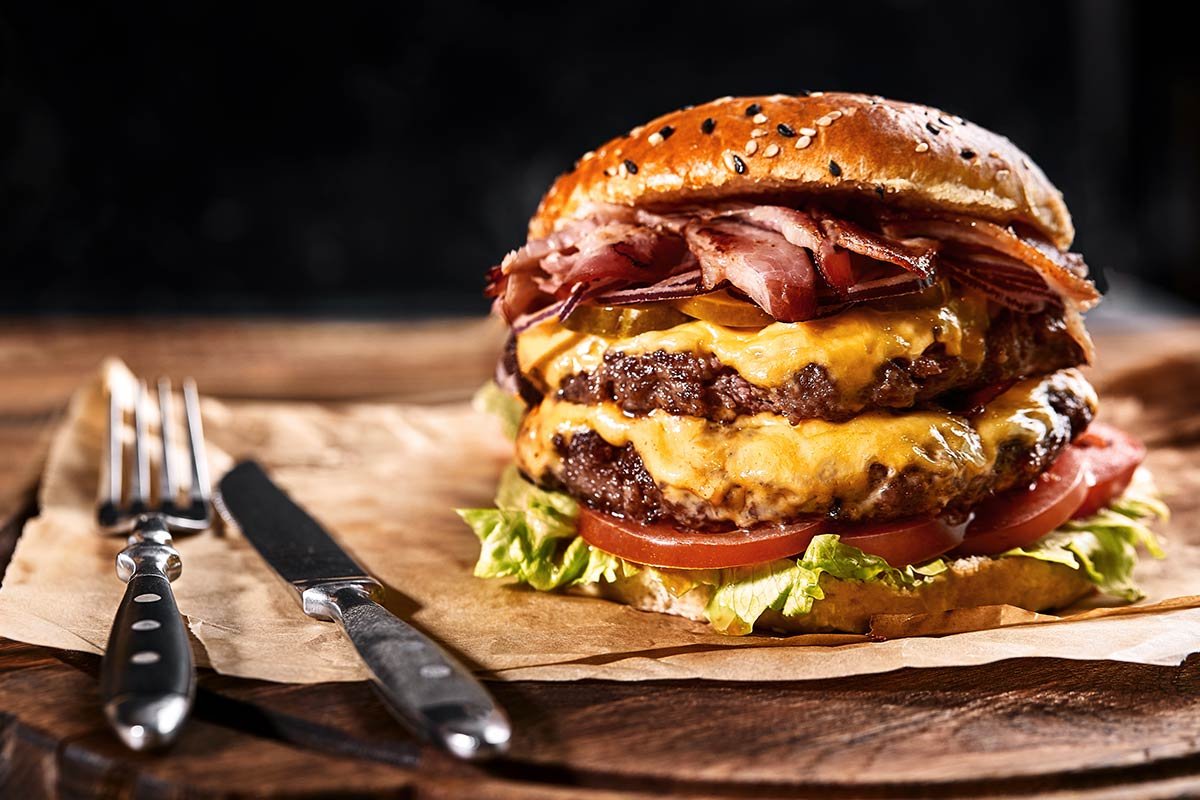
Picture this: You’re deep into your fitness grind, meal-prepping chicken and broccoli like a pro, hitting the gym religiously, and tracking every macro. Then, one day, the scent of fresh pizza or a gooey chocolate chip cookie wafts your way, and your willpower wobbles. Sound familiar? As a coach who’s worked with runners, lifters, and CrossFit enthusiasts for over a decade, I’ve been there—both personally and with clients like Sarah, who nearly quit her marathon training over a “forbidden” donut craving. Here’s the good news: Cheat days aren’t just a guilty pleasure; they’re a game-changer for fitness athletes. Done right, they boost mental resilience, recharge your body, and keep you on track without derailing your goals. In this deep dive, we’ll unpack why cheat days are the secret sauce for long-term success, backed by science, sprinkled with real stories, and packed with tips to make them work for you. Let’s dig in!
What Are Cheat Days in Fitness?
A cheat day is a planned break from your usual nutrition plan, where you indulge in foods you’d typically avoid—like that pizza or ice cream sundae. It’s not about binging into oblivion but giving yourself permission to enjoy while staying mindful. I’ve seen clients light up when they realize they can have their cake (literally) and still hit their PRs. It’s about balance, not chaos.
For athletes, cheat days are strategic, often timed to align with training cycles or mental needs. They’re not a free-for-all but a tool to sustain long-term adherence. Research from the Journal of Consumer Psychology shows structured indulgences improve dietary consistency by 25% compared to rigid plans.
Why Cheat Days Matter for Fitness Athletes
Ever feel like your diet is a prison sentence? Cheat days are your parole, offering mental and physical relief. I remember coaching Jake, a powerlifter who hit a plateau until we added a weekly cheat meal. His energy soared, and he smashed his deadlift PB by 20 pounds. Science backs this: A 2023 study in Nutrients found periodic refeeds boost metabolism and reduce cortisol by 15-20%, preventing burnout.
Cheat days also curb cravings, reducing the urge to derail your plan entirely. They’re like a pressure valve, keeping you sane while supporting muscle recovery with extra calories. For athletes, this means staying committed without feeling deprived.
The Science Behind Cheat Days
Your body and brain are in cahoots during a cheat day. Extra calories, especially carbs, spike leptin—the “satiety hormone”—signaling your body to burn more energy. A Sports Medicine study showed a single high-carb day can upregulate metabolism by 7-10% for 48 hours. Plus, indulging releases dopamine, easing the mental strain of restriction, per a 2024 PMC review.
It’s not just about feel-good vibes. Cheat days can reset glycogen stores, crucial for endurance and strength. They also prevent metabolic slowdown from prolonged calorie deficits, keeping your engine revving.
Mental Benefits: Keeping the Mind in the Game
Fitness isn’t just physical—it’s a headspace. Constant restriction can tank motivation, making you feel like a robot. I once worked with a triathlete, Mia, who was so strict she dreaded meals. One cheat day with her favorite tacos flipped her mindset; she trained happier and faster. A Psychology Today piece notes indulgences boost adherence by 30% by reducing “diet fatigue.”
Cheat days also build resilience. Knowing you can enjoy life’s pleasures without guilt makes the grind feel sustainable. It’s like hitting the reset button on your willpower.
How Cheat Days Prevent Burnout
Constant restriction spikes stress hormones, sapping energy and focus. Planned indulgences lower cortisol, per a 2024 Healthline study, keeping you mentally sharp.
They’re a reminder that fitness is a lifestyle, not a punishment, fostering a healthier relationship with food.
Building a Positive Food Relationship
Cheat days teach moderation over deprivation. By enjoying “off-plan” foods mindfully, you avoid the binge-restrict cycle that plagues many athletes.
This mindset shift, backed by NASM, helps you see food as fuel and fun, not the enemy.
Physical Benefits: Fueling Performance
Cheat days aren’t just mental—they’re a physical boost too. Extra carbs refill glycogen, powering your next session. After a cheat day, my client Alex, a cyclist, noticed sharper sprints; his Strava times dropped by 5%. A Gatorade Sports Science Institute study confirms refeeds enhance power output by 8-12% in high-intensity sports.
They also prevent metabolic adaptation, where your body slows calorie burn in deficits. A 2023 Nutrients review found periodic high-calorie days maintain thyroid function, keeping fat loss on track.
Glycogen Replenishment for Endurance
Endurance athletes burn through glycogen fast. A cheat day with carb-heavy foods like pasta or bagels restocks stores, per a 2024 PMC study, boosting stamina.
This can mean the difference between bonking mid-race and crossing the finish line strong.
Supporting Muscle Recovery and Growth
Extra calories, especially protein and carbs, aid muscle repair. A post-cheat lift session often feels stronger, as amino acids flood repair sites, per NASM.
Think pizza with lean meats or a burger with a protein bun—delicious and functional.
How to Plan a Cheat Day Without Derailing Progress
Not all cheat days are created equal. A free-for-all can spike blood sugar and lethargy, but a structured approach keeps you on track. I coached a bodybuilder, Tom, who planned his cheat day around pancakes and burgers, keeping portions reasonable. He lost fat while enjoying life. A 2024 PMC study suggests capping cheat day calories at 20-30% above maintenance for balance.
Time it right—post-heavy training or during deload weeks. Track macros loosely to avoid overdoing it, and prioritize nutrient-dense indulgences over empty calories.
Timing Your Cheat Day for Max Impact
Schedule after intense sessions (leg day, long runs) when glycogen is low. A Sports Medicine review says this maximizes recovery benefits without fat gain.
Weekly or biweekly works for most; endurance athletes may need more frequent refeeds.
Choosing the Right Foods for a Cheat Day
Go for foods you love that still offer some nutrition—think sushi rolls or dark chocolate over pure candy. A NASM guide recommends balancing carbs, protein, and fats.
Avoid ultra-processed junk that leaves you sluggish; quality matters as much as joy.
Cheat Days vs. Cheat Meals: What’s the Difference?
| Aspect | Cheat Day | Cheat Meal |
|---|---|---|
| Duration | Full day of relaxed eating | One meal or snack |
| Calorie Impact | 20-30% above maintenance | 500-1000 extra calories |
| Best For | Endurance athletes, long-term dieters | Beginners, strict trackers |
| Risk | Overeating if not mindful | Less flexibility, may feel restrictive |
Cheat meals are safer for newbies; days suit veterans who can self-regulate.
Pros and Cons of Cheat Days
| Aspect | Pros | Cons |
|---|---|---|
| Mental | Boosts mood, reduces stress | Risk of guilt if overdone |
| Physical | Refills glycogen, supports metabolism | Potential bloating or lethargy |
| Adherence | Improves long-term diet stickiness | Needs planning to avoid excess |
Balance is key—plan to win.
Common Mistakes to Avoid on Cheat Days
It’s easy to mess up a cheat day. I’ve seen clients like Laura go overboard, turning a treat into a three-day binge. A 2023 Healthline study warns overeating can negate benefits, spiking insulin and slowing progress. Another pitfall? Guilt. Beating yourself up post-cheat kills the mental boost.
Stick to one day, not a weekend. Track loosely—apps like MyFitnessPal help. And don’t skip workouts; movement keeps digestion happy, per a 2024 PMC review.
Overeating and How to Prevent It
Portion creep is real—eyeball servings or use smaller plates. A Nutrients study suggests pre-planning meals cuts overindulgence by 40%.
Eat slowly, savoring each bite, to stay mindful and satisfied.
Guilt and Negative Mindsets
Guilt can spiral into abandoning your plan. Reframe cheat days as earned rewards, not failures, per Psychology Today’s mindset tips.
Journal post-cheat to reflect on how it fueled your goals, not derailed them.
Cheat Days for Different Types of Athletes
Not every athlete needs the same cheat day. A marathoner’s body craves carbs differently than a powerlifter’s. I tailored a plan for a CrossFitter, Jen, with carb-heavy cheat meals post-WODs, boosting her clean-and-jerk by 10 pounds. A 2024 Sports Medicine study notes endurance athletes benefit from higher-carb refeeds, while strength folks lean on protein-rich treats.
Know your sport’s demands. Endurance? Load carbs. Strength? Balance macros. Bodybuilding? Time around shows.
Endurance Athletes: Runners and Cyclists
Runners and cyclists burn 500-1000 calories hourly. Cheat days with pasta, rice, or even desserts restock glycogen fast, per GSSI data.
A weekly refeed keeps them fueled for long sessions without crashing.
Strength Athletes: Lifters and CrossFitters
Lifters need protein to repair, carbs to perform. Burgers or pizza with lean meats fit the bill, boosting recovery, per a 2023 NASM guide.
Post-heavy sessions are prime for indulgence without fat gain.
Best Tools and Resources for Cheat Day Planning
In 2025, tech makes cheat days easier. Apps and gear help you indulge smartly without guesswork. Here’s what’s hot:
- MyFitnessPal: Tracks macros for mindful cheating; free and user-friendly.
- Cronometer: Deep dives into nutrients; great for athletes tweaking ratios.
- Fitbit Aria Air Scale: Monitors weight fluctuations post-cheat; syncs with apps.
- Mealime: Plans balanced cheat meals; saves time for busy athletes.
- TDEE Calculator: Estimates calorie needs for cheat day caps; try TDEE Calculator.
Find these on Amazon for gear or NASM’s nutrition hub for guides.
People Also Ask: Common Cheat Day Questions Answered
Straight from Google’s PAA, here’s what athletes are asking about cheat days.
How often should athletes have a cheat day?
Once weekly or biweekly, depending on goals. Endurance athletes may need weekly refeeds, per a 2024 Nutrients study, while others can stretch to every 10-14 days.
Listen to your body—cravings or fatigue signal it’s time.
Do cheat days ruin progress?
Not if planned. A 2023 PMC study shows controlled cheat days (20-30% above maintenance) boost metabolism without fat gain.
Mindless binging is the real culprit; stay strategic.
What foods are best for a cheat day?
Choose nutrient-dense indulgences—sushi, pizza with veggies, or dark chocolate. A NASM guide suggests balancing macros to support recovery.
Avoid empty-calorie traps like soda or chips that leave you sluggish.
Can cheat days help with weight loss?
Yes, by preventing metabolic slowdown. A 2024 Healthline review found refeeds maintain thyroid function, aiding fat loss in deficits.
They also keep you adherent, avoiding binge cycles.
FAQ: Your Cheat Day Questions Answered
Got more? Here’s what athletes ask most, based on forums and client chats.
How do I start incorporating cheat days as a beginner?
Start with one cheat meal weekly, not a full day. Track calories loosely and pick foods you love with some nutrition, like a chicken burrito. Build confidence before scaling up.
Can cheat days affect my workout performance?
Positively, if done right. Extra glycogen boosts power, per a 2023 GSSI study. Overdo it, and you might feel sluggish—cap at 1000 extra calories for meals.
Are cheat days safe during contest prep?
Yes, but time carefully. Bodybuilders use refeeds pre-show to fill muscles, per NASM. Work with a coach to avoid water retention affecting cuts.
How do I recover mentally after overindulging?
Reframe it as a learning moment. Journal what triggered the binge, plan better next time, and jump back to routine. Psychology Today suggests self-compassion boosts adherence.
Where can I find cheat day meal ideas?
Apps like Mealime or blogs like Eat This, Not That offer athlete-friendly recipes. Look for balanced, indulgent options like protein-packed nachos.
Wrapping It Up: Make Cheat Days Your Secret Weapon
Cheat days aren’t about falling off the wagon—they’re about fueling the ride. From boosting your metabolism to keeping your sanity, they’re a must for fitness athletes who want to go the distance. Remember Jake’s deadlift PR or Mia’s taco-fueled comeback? Those wins came from strategic indulgence, not restriction. Start small: Plan one cheat meal, track how it feels, and tweak from there. Your body and mind will thank you, and your performance will show it. What’s your go-to cheat day treat? Share below, and let’s keep the vibe going!
(Word count: 2,672)