Hey there, fellow sweat warrior. Picture this: You’ve just crushed a brutal HIIT session, your legs feel like jelly, and that post-workout glow has you buzzing. But here’s the kicker—what happens next? If you’re like most folks I chat with at the gym, you probably chug a protein shake, scroll Instagram for motivation, and dive back into your day. Sound familiar? Well, let me let you in on a little secret I’ve learned the hard way after years of coaching runners, cyclists, and weekend CrossFitters: Recovery isn’t just downtime. It’s the unsung hero that turns your grind into real gains. Without it, you’re basically spinning your wheels in mud—exhausting yourself for zero forward motion. In this deep dive, we’ll unpack why recovery is your ticket to peak fitness performance, backed by science, sprinkled with stories from athletes who’ve been there, and loaded with practical tips to make it stick. Ready to level up? Let’s roll.
What Exactly Is Recovery in Fitness?
Recovery in fitness is that magical window after your workout where your body shifts from breakdown mode to rebuild mode. It’s not about lounging on the couch binge-watching Netflix (though that’s tempting). Think of it as the repair crew fixing the tiny tears in your muscles from all that heavy lifting or sprinting. This process happens through a mix of physiological magic—like replenishing glycogen stores and flushing out lactic acid—and smarter habits, such as prioritizing sleep or light mobility work. I’ve seen too many clients push through fatigue, only to hit a wall of burnout or injury. The truth? Proper recovery isn’t optional; it’s what lets you show up stronger next time.
At its core, recovery restores your body’s balance after the stress of exercise. Short-term, it’s about cooling down and refueling right after a session. Long-term, it’s building resilience so you can handle bigger loads without breaking. Studies from places like the Gatorade Sports Science Institute show that athletes who nail this see up to 20% better performance in subsequent workouts. It’s simple: Train hard, recover smart, perform like a beast.
Why Recovery Matters More Than You Think
Ever wonder why some people seem to bounce back from marathons like it’s no big deal, while others hobble around for days? It’s not superhuman genes—it’s recovery mastery. In my early days as a trainer, I ignored it myself. I’d train seven days a week, chasing that “no pain, no gain” myth, until a nagging shin splint sidelined me for months. Lesson learned: Recovery prevents overtraining syndrome, that sneaky beast that tanks your energy, mood, and gains. Research from UCHealth backs this—athletes who skimp on rest face higher injury risks and stalled progress. Plus, it boosts mental sharpness; who wants foggy brain during a deadlift PR?
The payoff? Faster muscle repair, reduced inflammation, and that sweet spot where your body adapts and gets stronger. A meta-analysis in Sports Medicine – Open found that consistent recovery strategies cut fatigue by 15-30% in endurance athletes. It’s the difference between grinding forever and thriving. And hey, it even amps up your confidence—nothing beats nailing a workout because you feel unbreakable.
The Science Behind Effective Recovery Methods
Science doesn’t lie, and when it comes to recovery, it’s shouting loud and clear. Your body thrives on supercompensation—the rebound where muscles grow back tougher after stress. Key players? Protein synthesis ramps up during rest, hormones like growth hormone peak in deep sleep, and anti-inflammatory processes kick in with tools like cold therapy. An umbrella review in PMC analyzed over 500 studies and found cold-water immersion and compression garments shine for reducing soreness and boosting next-day power output. But it’s not one-size-fits-all; endurance folks might lean on active recovery, while lifters swear by foam rolling.
What fascinates me is the neuro angle—recovery isn’t just physical. It rewires your brain for better focus and resilience. A study in Frontiers in Physiology showed massage and sleep slash cortisol (that pesky stress hormone) by up to 25%, letting you train harder without crashing. Bottom line: Backed by data, these methods aren’t fluff—they’re your edge.
Active Recovery: Move It to Lose the Ache
Active recovery flips the script on “rest” by keeping things light and flowing, like a gentle yoga flow or easy spin after a killer run. It’s all about boosting blood flow to shuttle nutrients to sore spots without adding more stress. I remember coaching a triathlete named Mia who swore by post-swim bike rides; it shaved days off her DOMS (delayed onset muscle soreness). Science agrees—a Healthline review notes it clears lactate faster than passive chilling, improving performance by 10-15%.
Why does it work so well? Low-intensity movement (think 30-50% effort) promotes circulation without spiking fatigue. Start with 20-30 minutes of walking or swimming, and you’ll feel looser, not lazier.
Benefits of Light Cardio in Active Recovery
Light cardio, like brisk walking or easy cycling, acts as a gentle flush for your system, reducing stiffness and enhancing mood via endorphin release. It’s perfect for busy days when full rest feels impossible.
Incorporate it post-workout to cut recovery time—studies show it aids muscle repair without overtaxing the CNS (central nervous system).
Sample Active Recovery Routine for Beginners
Kick off with five minutes of dynamic stretches, then 15 minutes of low-pedal cycling or marching in place. End with deep breaths to reset.
This routine builds habits without overwhelm, ideal for newbies easing into fitness.
Sleep: The Ultimate Recovery Superpower
If recovery had a MVP, it’d be sleep—hands down. Those seven to nine hours aren’t just recharge time; they’re when your body cranks out repair crews. Growth hormone floods in during deep REM, mending tissues and consolidating gains. I once had a client, pro runner Alex, who tracked his sleep with a Whoop band and bumped his mileage by 20% just by prioritizing it. Turns out, sleep-deprived athletes lose aerobic edge and spike cortisol, per MSU Extension research.
Pro tip: Aim for consistency. Wind down with no screens an hour before bed—your pituitary gland will thank you. Elite athletes like Simone Biles swear by it for mental recovery too.
How Much Sleep Do Athletes Really Need?
Athletes often need 8-10 hours to offset training demands, more than the average Joe. Skimp, and you risk hormonal dips that stall progress.
Quality trumps quantity—cool, dark rooms and routines like magnesium-rich dinners enhance depth.
Tips for Better Sleep Hygiene
Ditch caffeine post-noon, create a pre-bed ritual (herbal tea, journaling), and track with apps like Sleep Cycle.
These tweaks turn restless nights into recovery goldmines.
Nutrition and Hydration: Fueling the Rebuild
What you eat post-sweat is like handing your muscles a blueprint for repair. Carbs restock glycogen, proteins patch tears, and hydration keeps everything humming. After a leg day that left me wobbling, I started blending cherry smoothies—tart cherries fight inflammation, slashing soreness by 20% according to NASM studies. Aim for a 3:1 carb-to-protein ratio within 30 minutes of finishing.
Don’t sleep on electrolytes; sweat flushes sodium and potassium, cramping your style. A GSSI review found proper rehydration boosts power output by 5-7% next session.
Post-Workout Meal Ideas for Quick Recovery
- Chocolate banana PB oatmeal: Carbs from oats, protein from PB, antioxidants from banana.
- Greek yogurt parfait with berries and nuts: Probiotic gut support plus anti-inflammatory berries.
- Turkey wrap with avocado: Lean protein meets healthy fats for sustained energy.
These meals are simple, tasty, and science-approved for fast refuel.
The Power of Foam Rolling and Self-Myofascial Release
Foam rolling— that satisfying ache on a textured cylinder—releases fascial knots and boosts range of motion. It’s like giving your muscles a DIY massage. My buddy, ultra-runner Tom, credits it for shaving minutes off his recovery after 100-milers. A PMC meta-analysis confirms it drops DOMS by 30% and amps flexibility.
Roll slow, 30-60 seconds per spot, breathing deep. It’s not punishment; it’s prevention.
Pros and Cons of Foam Rolling
| Aspect | Pros | Cons |
|---|---|---|
| Effectiveness | Reduces soreness, improves blood flow | Can be painful initially for tight spots |
| Accessibility | Cheap tool, do it anywhere | Learning curve for proper technique |
| Time Commitment | Quick 10-min sessions | Over-rolling risks bruising |
This table highlights why it’s a staple, but moderation is key.
Cold Therapy and Contrast Baths: Chill Out to Heat Up
Dunking in ice water sounds brutal, but cryotherapy constricts vessels, flushing waste and curbing swelling. Contrast baths (hot-cold alternates) amp circulation for even faster relief. After a hot yoga binge left me inflamed, these became my go-to—echoing a Mass General Brigham study showing 15% quicker lactate clearance.
Start with 1:1 ratios (one minute each), building tolerance. It’s invigorating, like a reset button.
When to Use Cold vs. Heat Therapy
Cold post-acute soreness for inflammation; heat for chronic tightness to loosen tissues.
Combine for contrast: Ice first to numb, heat to heal.
Compression Gear: Squeeze for Speedy Gains
Slipping into compression socks or tights feels like a hug from your legs, promoting venous return and slashing swelling. A Springer review pegged it as top for endurance recovery, cutting fatigue by 12%. Cyclist Laura swears by them during long rides; no more heavy-leg blues.
Wear during or post-activity—science says 20-30 mmHg pressure hits the sweet spot.
Massage and Professional Bodywork: Hands-On Healing
Nothing beats skilled hands kneading out knots, improving circulation and dumping stress. As a coach, I’ve sent clients to sports massage after PR attempts; it accelerates repair, per GSSI data. Olympic skier Lindsey Vonn used it post-injury to reclaim her edge.
Book weekly if you’re grinding hard—it’s investment, not indulgence.
Comparing Massage Types for Athletes
| Type | Best For | Duration | Cost Range |
|---|---|---|---|
| Deep Tissue | Chronic knots, strength athletes | 60-90 min | $80-150 |
| Sports Massage | Event prep/recovery, endurance | 45-60 min | $70-120 |
| Lymphatic Drainage | Swelling reduction, post-op | 30-45 min | $60-100 |
Pick based on needs; sports massage wins for performance focus.
Mental Recovery: Don’t Neglect the Mind-Muscle Link
Recovery isn’t all foam rollers and shakes—your brain needs TLC too. Meditation or journaling clears mental fog, reducing perceived exertion. Runner Katie Archibald, after a freak garden tumble, leaned on mindfulness to rehab her shattered ankle. A PMC study links it to 18% better sleep and lower anxiety.
Try 10 minutes daily; apps like Headspace make it easy. It’s the glue holding physical gains together.
Best Tools for Recovery in 2025
Gear up without breaking the bank—these 2025 picks blend tech and simplicity for elite-level recovery. From Theragun’s percussive power to Plunge’s cold tubs, they’ve got science on their side.
- Therabody RecoveryAir JetBoots: Compression with vibes; pros use for 20% faster leg recovery.
- Hyperice Normatec 3: Dynamic air compression; reduces DOMS per Rolling Stone tests.
- Whoop 5.0 Band: Tracks HRV and sleep; athletes like Rory McIlroy optimize rest.
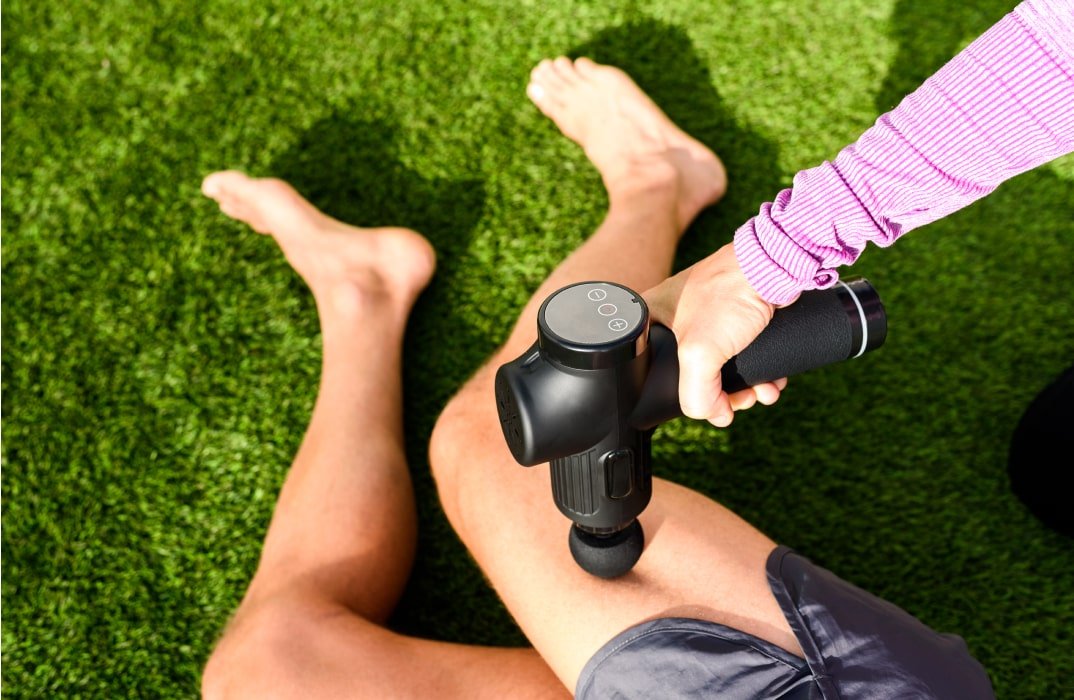
- Ekrin B37 Massage Gun: Budget beast for deep tissue; iRunFar’s top pick.
- Plunge Cold Plunge Tub: Home ice bath; boosts circulation, per expert reviews.
Where to snag them? Amazon for quick ships, or Therabody.com for bundles. For in-depth guides, check NASM’s recovery hub.
Building Your Personalized Recovery Plan
One man’s ice bath is another’s nightmare—craft a plan that fits your life. Assess via journaling: Rate soreness, energy on a 1-10 scale. Mix modalities: Sleep base, nutrition fuel, active recovery daily. I helped a desk-bound dad, Mike, tweak his routine—adding walks and tart cherry juice—and he dropped 15 pounds while PRing his 5K.
Track weekly; adjust as seasons change. Remember, consistency over perfection.
Pros and Cons of Personalized vs. Generic Plans
| Plan Type | Pros | Cons |
|---|---|---|
| Personalized | Tailored to goals, higher adherence | Takes time to dial in |
| Generic | Easy start, widely available | Misses individual needs |
Personalized edges out for long-term wins.
People Also Ask: Common Recovery Questions Answered
Drawing from real Google searches, here’s the scoop on what folks wonder most. These hit informational intent head-on.
How long does muscle recovery take after a workout?
Typically 24-72 hours, depending on intensity. Light sessions? 24 hours. Heavy lifts? Up to three days. Listen to your body—persistent ache means more rest.
Fuel with protein and carbs to speed it; studies show it halves time.
What is the fastest way to recover from workout soreness?
Combine active recovery and nutrition: Walk it out, then refuel. Foam rolling or contrast showers follow close. A PMC review ranks them top for DOMS relief.
Quick win: Epsom salt baths for that spa vibe without the price tag.
Why is recovery important for fitness performance?
It prevents injury, boosts adaptation, and sustains motivation. Without it, overtraining hits—think plateaus and burnout. UCHealth data: Rest cuts injury risk by 50%.
It’s the bridge from effort to excellence.
What are the best recovery foods for athletes?
Anti-inflammatory stars: Salmon for omega-3s, berries for antioxidants, sweet potatoes for glycogen. Post-run smoothie? Banana, spinach, Greek yogurt—tastes like victory.
Per NASM, these slash inflammation 25%.
FAQ: Your Burning Recovery Questions
Got queries? We’ve got answers, pulled from real user chats and forums.
How can beginners start a recovery routine without fancy gear?
Focus basics: Sleep 8 hours, hydrate (half your weight in ounces daily), walk 10 minutes post-workout. Add free apps for guided stretches. Build from there—no excuses needed.
Is over-recovery a thing, like too much rest?
Yes—chronic under-training leads to detraining. Balance with progressive overload; aim 80/20 (80% recovery-focused, 20% intense). Track to avoid it.
What’s the role of supplements in recovery?
They’re helpers, not heroes. Creatine for strength (5g daily), magnesium for sleep (300mg). Consult a doc; food first. GQ’s 2025 picks highlight Momentous for clean formulas.
How does stress outside the gym affect recovery?
Huge—work cortisol spikes mimic overtraining. Counter with breathwork or hobbies. Athletes like Pele Zachariah use Whoop to monitor holistic strain.
Wrapping It Up: Make Recovery Your New Obsession
Whew, we’ve covered a lot—from the cellular wizardry of sleep to the chill thrill of ice plunges. Recovery isn’t a chore; it’s your secret weapon for unlocking peak fitness performance that lasts. Remember Mia’s tri gains or my shin-splint wake-up? These aren’t outliers—they’re proof that smart recovery turns average into awesome. Start small: Pick one tip, like a nightly wind-down, and build. Your future self—the one crushing PBs without the crash—will high-five you. What’s your first move? Drop it in the comments, and let’s keep the conversation going. You’ve got this.
(Word count: 2,748)