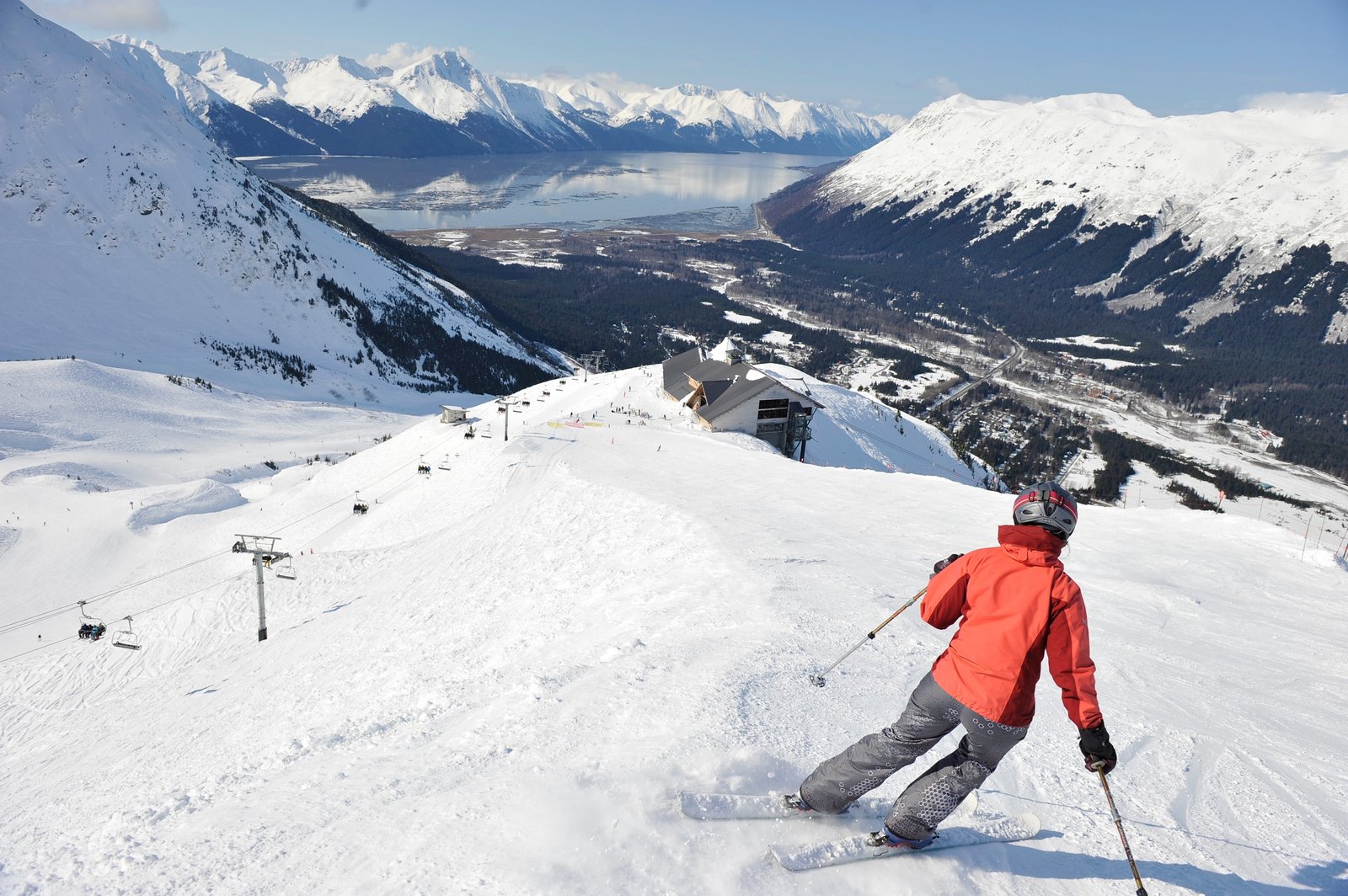
Picture this: You’re standing at the top of a pristine Alaskan peak, the air crisp and biting, with endless powder stretching out like a blank canvas waiting for your turns. I still get chills thinking about my first trip to Alaska for skiing—flying into Anchorage, heart pounding as we drove to Alyeska Resort under a sky heavy with promise. The mountains loomed massive, and that first powder day? Pure magic, face shots that left me grinning like a kid. But let’s be real, Alaska’s winter sports scene isn’t for the faint of heart; it’s raw, exhilarating, and demands respect. Whether you’re carving groomers on skis or slashing through deep snow on a snowboard, this Last Frontier delivers some of the world’s best conditions. In this guide, we’ll dive into why Alaska shines for skiing and snowboarding, from top spots to safety musts, so you can plan your own epic adventure.
Why Alaska Stands Out for Skiing and Snowboarding
Alaska’s unique geography—towering peaks right at sea level—creates insane vertical drops and consistent snow dumps that most places can only dream of. We’re talking maritime climate snow: light, dry powder that sticks around thanks to cold temps and massive storms. I’ve chased that fluff from Valdez to Girdwood, and it’s addictive; one run turns into a full day of non-stop turns.
The Allure of Endless Powder
What makes Alaskan snow legendary is its depth—often feet-deep after storms—and the untouched lines in backcountry areas. Resorts like Alyeska get over 650 inches annually, but heli-skiing ops drop you into remote zones with no crowds. It’s not just quantity; the quality feels otherworldly, like skiing on clouds.
From Beginner Slopes to Expert Chutes
No matter your level, Alaska caters. Beginners hit gentle runs at Hilltop near Anchorage, while pros tackle steep, gladed terrain. Snowboarding thrives here too, with parks for jumps and natural features for freeride vibes—I’ve wiped out spectacularly on both.
Top Ski and Snowboard Destinations in Alaska
Choosing where to shred starts with knowing the lay of the land. Southcentral Alaska, around Anchorage, hosts the biggest resorts, while Southeast spots like Juneau offer coastal skiing with ocean views. Each area’s got its flavor, from lift-served fun to heli-accessed wilderness.
Alyeska Resort: The Crown Jewel
Nestled in Girdwood, Alyeska boasts 1,610 feet of vertical and diverse terrain, from bowls to tree runs. It’s a 40-minute drive from Anchorage, perfect for day trips or stays at the on-site hotel. I spent a week there once, waking to fresh tracks—resort skiing at its most accessible yet thrilling.
Eaglecrest Ski Area in Juneau
On Douglas Island, Eaglecrest delivers 1,020 vertical feet with north-facing powder and a laid-back vibe. It’s municipal-run, so tickets are affordable, and the views of glaciers make every run memorable. Snowboarders love the terrain park here for rails and jumps.
Arctic Valley and Hilltop: Anchorage Locals’ Favorites
These smaller areas near the city offer quick access—Arctic Valley for backcountry-style skiing, Hilltop for night skiing under lights. Ideal for families or quick sessions; I hit Hilltop after work during a winter stint in Anchorage, keeping skills sharp without the drive.
Here’s a quick comparison of top spots:
| Resort/Area | Location | Vertical Drop | Best For | Season Open (2025/26 Projected) |
|---|---|---|---|---|
| Alyeska | Girdwood | 2,500 ft | All levels, heli access | Nov 29 – May |
| Eaglecrest | Juneau | 1,020 ft | Powder, parks | Dec 6 – Apr |
| Arctic Valley | Anchorage | 1,150 ft | Backcountry feel | Dec – Mar |
| Hilltop | Anchorage | 330 ft | Beginners, nights | Dec 5 – Mar |
The Thrill of Heli-Skiing and Snowboarding
Heli-skiing elevates Alaska’s winter sports to bucket-list status—choppers whisk you to untouched peaks for multiple runs per drop. Valdez reigns supreme with operators like Black Ops, offering 20,000+ acres of glacier terrain. My heli day in the Chugach was life-changing: endless vert, no lines, just pure freedom.
What to Expect on a Heli Trip
Guides lead small groups, providing safety gear and calling lines. Days run 6-8 hours, with 5-10 runs depending on weather. Snowboarding’s a blast here too—wide-open faces for big airs. Book with pros like Points North for all-inclusive packages.
Comparing Resort vs. Heli Experiences
Resort skiing’s great for consistency and amenities, but heli’s about adventure and volume. Pros of heli: Deeper powder, more vert (up to 20,000 ft/day). Cons: Weather-dependent, pricier ($1,000+ per day), higher risk. Stick to resorts if you’re easing in.
Essential Gear for Alaska’s Harsh Conditions
Packing right means staying warm and dry in sub-zero temps and wet snow. Layers are key: base wicking moisture, insulating mid-layers, and waterproof shells. I’ve frozen fingers forgetting gloves once—lesson learned.
Must-Have Apparel and Equipment
- Waterproof jacket and pants (Gore-Tex for breathability).
- Insulated boots, helmet, goggles with anti-fog.
- Avalanche kit: Beacon, shovel, probe—mandatory for backcountry.
- For snowboarding: Stiff boots for control in powder.
Rent at resorts like Alyeska’s Day Lodge for beginners; buy from REI Anchorage for custom fits. Transactional tip: Check evo.com for deals on Alaska-specific boards with rocker for float.
Pros and Cons of Renting vs. Buying Gear
Renting’s easy for trips—try before buy, no transport hassle. Buying invests in quality for repeats. Con for renting: Potential wear; pro for buying: Personalized setup. I rent boards for heli to test shapes.
Safety First: Navigating Avalanches and Weather
Alaska’s beauty hides dangers like avalanches and extreme cold. Always check forecasts from CNFAIC; I’ve dodged sketchy slopes by heeding warnings. Education saves lives—take an avalanche course before backcountry jaunts.
Key Avalanche Safety Tips
Stay off 30+ degree slopes, travel one at a time, and carry airbag packs for heli. Practice beacon searches; groups should have pros. Humor alert: Don’t be the guy yelling into the snow—train properly.
Weather Prep and Emergency Know-How
Layers beat single jackets; hypothermia sneaks up fast. Informational: What is frostbite? Skin damage from cold—prevent with wool socks, face masks. Navigational: Where to get forecasts? Apps like Avalanche.org or local centers.
Best Time to Hit the Slopes
Timing’s everything for prime conditions. Late winter—February to April—brings stable snow, longer days, and epic powder. Alyeska peaks in March; heli ops thrive then too.
Why March and April Rock
Daylight stretches to 12+ hours, softening snow for corn in afternoons. Storms dump freshies, but stability improves. I timed a trip for mid-March—non-stop bluebird days.
Shoulder Seasons: Early and Late
November starts with early snow, fewer crowds; May offers spring skiing. Avoid January’s short days unless you’re night-owl skiing at Hilltop.
Beyond Skiing: Other Winter Sports to Pair With
Mix it up with snowshoeing or fat-tire biking for recovery days. Dog mushing adds cultural flair—try in Fairbanks. Keeps the trip dynamic without burnout.
Snowmobiling and Nordic Skiing
Snowmobiling accesses remote spots; Nordic trails abound in Mat-Su Valley. Great for variety—I cross-country skied post-snowboard to loosen legs.
Planning Your Trip: Logistics and Budget
Flights to Anchorage or Juneau, then drives or shuttles. Budget $1,500-3,000/week including lifts, lodging. For heli, add $5k+ for multi-day.
Where to Stay and Book
Alyeska Hotel for luxury; Airbnbs in Girdwood for value. Book lifts online via resort sites; external link: alyeskaresort.com for tickets. Internal: Check our “Alaska Packing List” for more.
Budget Tips for Snowboarding on a Dime
Hit smaller areas like Arctic Valley for cheap days; rent gear. Group heli deals cut costs—worth every penny for the experience.
People Also Ask: Common Queries on Alaska Winter Sports
Drawing from real searches, here’s what folks wonder.
What’s the Best Time of Year to Ski in Alaska?
March to April for optimal snow and daylight; resorts open late November.
Is Heli-Skiing in Alaska Worth the Cost?
Absolutely for thrill-seekers—untouched terrain trumps resort crowds, but prioritize safety training.
How Do I Prepare for Snowboarding in Alaska’s Powder?
Wax your board for float, practice in deep snow, and layer up; rentals available at most spots.
Are There Beginner-Friendly Ski Areas in Alaska?
Yes, Hilltop and Eaglecrest offer easy runs with lessons—perfect starters.
FAQ
What Makes Skiing in Alaska Different from Other States?
Sea-level peaks mean huge vert and dry powder; backcountry access is unmatched, but avalanches demand caution.
Do I Need Special Gear for Snowboarding in Alaska?
Beyond basics, avalanche tools for off-piste; opt for powder-specific boards with setback stance.
How Can I Book Heli-Skiing Safely?
Choose certified ops like Valdez Heli-Ski Guides; verify insurance and guide credentials.
Is Alaska Skiing Family-Friendly?
Resorts like Alyeska have kids’ programs; smaller hills suit beginners, but watch weather.
What’s the Risk of Avalanches in Alaska?
High in backcountry—always check CNFAIC forecasts and go guided.
Wrapping this up, Alaska’s winter sports world—skiing and snowboarding especially—offers thrills that stick with you forever. From Alyeska’s lifts to heli drops in Valdez, it’s a playground for powder hounds. I urge you: Grab your gear, book that flight, and experience it yourself. Safe shreds! For more, external: travelalaska.com; internal: “Ultimate Alaska Itinerary.”
(Word count: 2,612)