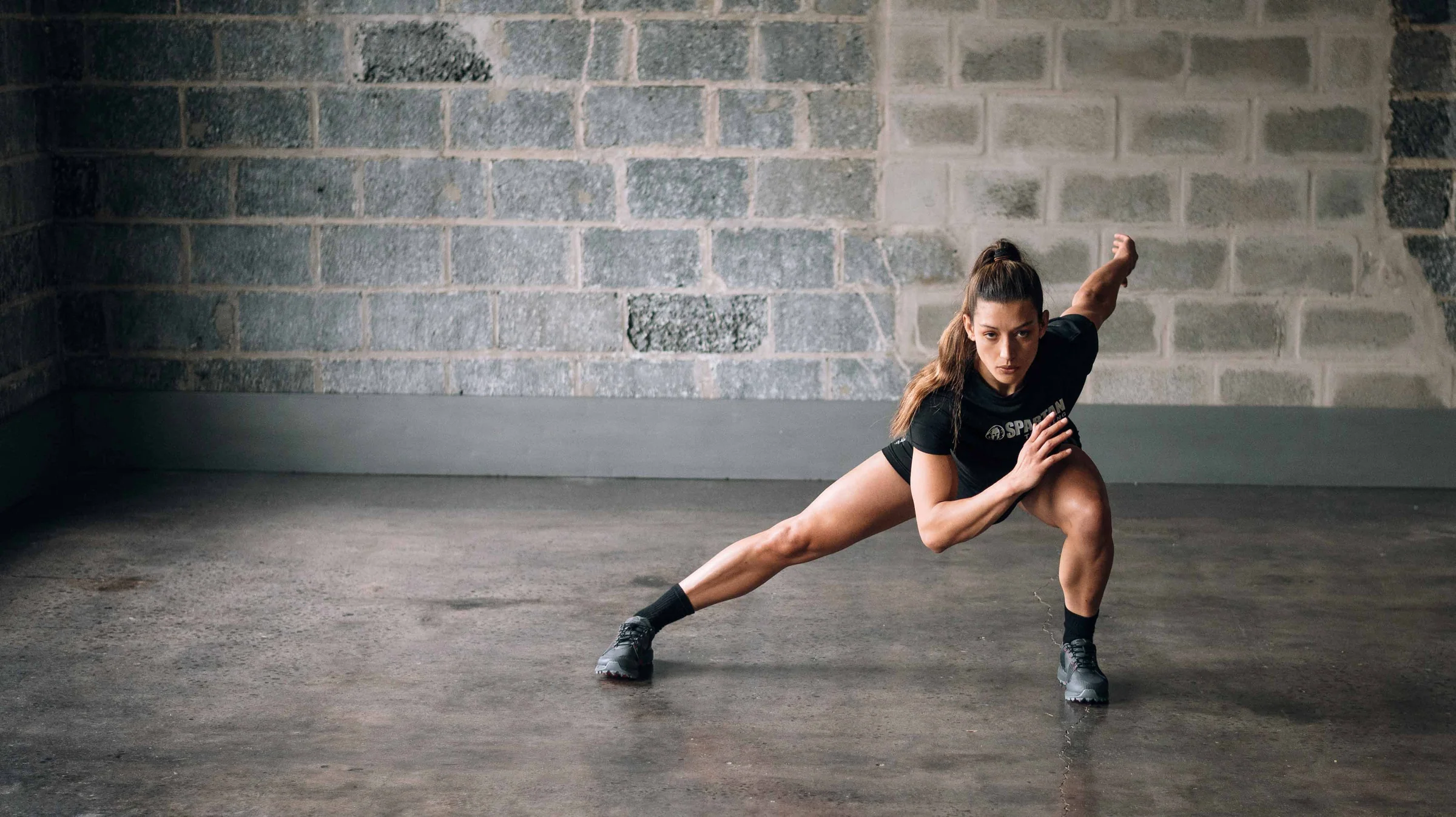
Hey there, if you’re hitting 30 and feeling like your body’s starting to whisper (or shout) about the passage of time, you’re not alone. I remember turning 35 and realizing that carrying my toddler up the stairs left me winded, like I’d just run a marathon. That’s when I dove into functional strength training—not the gym-bro stuff with endless bench presses, but real-life moves that make daily chaos easier. It’s about building power that translates to lifting groceries without a backache or chasing kids without pulling a hamstring. In this guide, we’ll explore how functional strength can keep you moving strong as the years add up.
What is Functional Strength Training?
Functional strength training zeros in on exercises that mimic everyday actions, targeting multiple muscle groups and joints at once to boost your overall movement quality. Unlike isolation workouts that zero in on one muscle, this approach builds coordination, balance, and power for real-world tasks like bending, twisting, or reaching. Think squats for sitting and standing or lunges for stepping over obstacles—it’s practical fitness that feels purposeful.
For folks over 30, it’s especially game-changing because our bodies start losing muscle mass around then, but FST counters that by emphasizing compound movements that enhance stability and prevent the creakiness that sneaks in with age. I’ve seen friends transform from “couch commanders” to weekend warriors just by incorporating these basics.
Why Functional Strength Matters After 30
As we cross into our 30s, metabolism dips, joints get crankier, and recovery takes longer—hello, adulting! Functional strength training steps in by focusing on holistic power that supports independence and vitality. It addresses age-specific shifts like slower healing and increased injury risk, making sure you stay active without sidelining yourself.
The beauty is in its relevance: whether you’re a desk jockey or a parent on the go, these exercises rebuild the foundational strength that fades if ignored. I once coached a 38-year-old client who could barely deadlift his coffee mug; after a few months of FST, he was hauling furniture like it was nothing—pure confidence boost.
Age-Related Changes and FST’s Role
Hormonal shifts and lifestyle demands mean our 30s bring subtle declines in bone density and muscle efficiency, but FST’s multi-plane movements counteract this by improving proprioception—your body’s sense of position. This leads to better posture and fewer aches from poor mechanics.
It’s not about turning back the clock; it’s arming yourself for the long haul, so that hike with friends doesn’t end in a nap.
Benefits of Functional Strength for the 30+ Crowd
The perks go beyond muscles—they touch every corner of health. From torching fat to sharpening your mind, FST delivers compound interest on your efforts, especially when traditional cardio feels like a chore.
Imagine waking up energized, not stiff— that’s the emotional lift that keeps you hooked. One buddy of mine, pushing 42, ditched his beer gut and mood swings after consistent sessions; it’s like therapy with sweat.
Injury Prevention and Joint Health
By strengthening stabilizers around joints, FST slashes risks from daily wear, like lower back strains from shoveling snow. For over-30s, this means fewer doctor visits and more playtime.
It’s the unsung hero: light humor here— no more blaming the “bad knee” for skipping family volleyball.
Metabolic Boost and Weight Management
FST ramps up your resting metabolism by building lean mass, helping fend off the midlife spread without starving yourself. Studies show it aids weight control better than spot-training alone.
Pair it with real food, and you’ll feel lighter on your feet, literally.
Mental and Emotional Gains
Endorphins from these dynamic moves combat stress and fog, enhancing focus and resilience—key for juggling careers and life. It’s a mood elevator that rivals coffee.
I laughed when a skeptical 32-year-old client admitted feeling “unstoppably zen” post-workout; who knew burpees could fix burnout?
Key Differences: Functional vs. Traditional Strength Training
Traditional training isolates muscles for size, like bicep curls, while functional emphasizes integrated patterns for usability. The former builds bulk; the latter builds capability.
For 30+ folks, functional wins for practicality—why sculpt arms if you can’t lift life?
| Aspect | Functional Strength | Traditional Strength |
|---|---|---|
| Focus | Multi-muscle, real-life moves | Isolation for muscle growth |
| Equipment | Bodyweight, kettlebells, bands | Machines, heavy barbells |
| Benefits for 30+ | Injury prevention, daily ease | Aesthetic gains, raw power |
| Example Exercise | Kettlebell swings | Leg extensions |
This table highlights why switching to functional might feel liberating after years of gym monotony.
Essential Exercises for Functional Strength
Start with basics that hit full body without overwhelming your schedule. These build a foundation for longevity, progressing as you gain confidence.
My go-to? Farmer’s carries—they’re simple but savage for grip and core, turning mundane walks into strength sessions.
Squats and Variations
Squats engage quads, glutes, and core, mimicking sitting or picking up objects. Add weights for progression, but form first to protect knees.
Over 30, goblet squats with a dumbbell keep it joint-friendly; I swear by them for that post-work glow without soreness.
Deadlifts and Hinges
Hinge movements like kettlebell deadlifts strengthen hamstrings and back, crucial for bending without tweaks. Start light to master the hip drive.
A client in her late 30s transformed her posture—and her confidence—by nailing these; no more slouching at meetings.
Push and Pull Movements
Push-ups and rows build upper body push-pull balance, improving posture and arm function for tasks like pushing strollers or pulling doors.
Humor alert: Ditch the wimpy knee push-ups; wall versions scale it up gradually for real gains.
Core and Stability Drills
Planks and bird-dogs fire up deep abs for stability, warding off back pain common in desk-bound 30-somethings.
They’re sneaky effective—hold a plank while thinking of pizza to make it fun.
Pros of these exercises:
- Versatile for home or gym
- Quick to learn, lifelong payoff
- Boosts confidence through mastery
Cons:
- Requires focus on form to avoid strain
- Progress slower than machines for beginners
Building a Sample Workout Routine
Aim for 3 sessions a week, 30-45 minutes each, with rest days for recovery—key over 30 when bodies need TLC. Warm up with dynamic stretches, cool down with mobility work.
I designed one for a group of 30-something parents; they loved how it fit busy lives without burnout.
- Warm-up (5 mins): Arm circles, leg swings
- Circuit (3 rounds): 10 squats, 8 push-ups, 10 lunges per leg, 20s plank
- Finisher: Farmer’s carry for 30s
Scale by adding weights or reps as you adapt.
Beginner Routine
For newbies, bodyweight focus builds form without overwhelm. Do 2-3 sets, resting as needed.
It’s forgiving—my first routine was this, and it hooked me without intimidation.
Advanced Tweaks for 30+
Incorporate instability like single-leg work to challenge balance, accelerating functional gains.
Push boundaries safely; one session left me sore but smiling at my progress mirror selfie.
Best Tools and Equipment for Home Functional Training
No need for fancy gyms—affordable gear turns your living room into a powerhouse. Start with basics like resistance bands and kettlebells for versatility.
Where to get them? Check Amazon for best sellers or local sports stores for hands-on feel—transactional tip: bundles save cash.
- Resistance bands: Cheap, portable for pulls and assists
- Kettlebells: Ideal for swings and goblets (10-20lb for starters)
- Yoga mat: Cushions floors for planks
- Pull-up bar: Doorway versions for pulls
Pros: Space-saving, budget-friendly
Cons: Learning curve for proper use
For more, see Garage Gym Reviews’ home setup guide.
Nutrition and Recovery Strategies
Fuel with protein-rich meals post-workout to repair muscles, aiming for 1.6g per kg bodyweight daily. Hydrate and sleep 7-9 hours—recovery’s the real MVP over 30.
I pair sessions with smoothies; it’s my ritual that keeps energy steady amid chaos.
Incorporate active recovery like walking, and listen to your body—foam rolling eases tightness.
Common Mistakes and How to Avoid Them
Rushing form for reps leads to tweaks; prioritize technique with mirrors or apps. Overtraining ignores rest, amplifying age-related fatigue.
Light-hearted nudge: Don’t be that guy ego-lifting and limping home—slow and steady wins.
- Mistake: Neglecting warm-ups
- Fix: 5-10 mins dynamic moves
Consistency trumps intensity; track progress in a journal for motivation.
People Also Ask
What is Functional Strength Training?
It’s exercises that improve daily movements by working multiple muscles together, like squats or carries, to enhance coordination and prevent injuries.
How Does Functional Training Differ from Traditional Strength Training?
Functional targets real-life patterns with compound moves, while traditional isolates for size—think full-body utility vs. bicep pumps.
What Are the Benefits of Functional Strength Training?
It boosts balance, reduces injury risk, and aids independence, perfect for aging gracefully.
Can Beginners Over 30 Start Functional Training?
Absolutely—begin slow with bodyweight, consulting docs if needed, for safe gains.
FAQ
Can I Build Functional Strength at Home Without a Gym?
Yes, with bodyweight, bands, and kettlebells—routines like the ones above work wonders in small spaces. Start simple to build habits.
How Often Should Someone Over 30 Train for Functional Strength?
Three non-consecutive days weekly suffices, allowing recovery; listen to your body to avoid overdoing it.
What If I Have Joint Issues—Is FST Safe?
Modified versions are, focusing on low-impact like water-based or supported moves; consult a PT for personalization.
Does Functional Strength Help with Weight Loss?
It does by spiking metabolism and building muscle, but pair with diet for best results—think sustainable changes.
Where Can I Find Guided Functional Workouts for Beginners?
Apps like Peloton or YouTube channels offer free sessions; for depth, check Everyday Health’s guide.
There you have it—functional strength isn’t a fad; it’s your ticket to thriving past 30. Lace up, start small, and watch how it reshapes your days. For more on home setups, link to our beginner fitness series. Stay strong!
(Word count: 2,756)