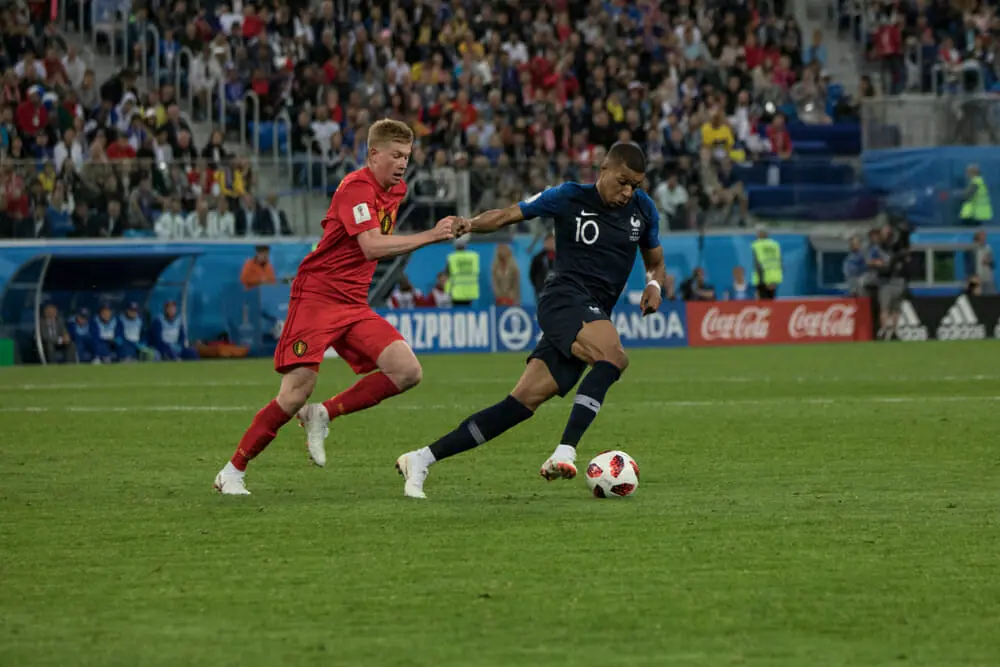
Picture this: It’s halftime in a heated local league match, and I’m on the sidelines yelling encouragement to my amateur team. The midfielders are gasping for air after chasing every ball, while the striker looks fresh, ready to pounce on a counter. That’s when it hit me—soccer isn’t one-size-fits-all when it comes to physical toll. Each position demands unique blends of endurance, speed, and power. Drawing from years of playing and coaching, plus insights from sports science, this guide breaks down those demands position by position, helping players, coaches, and fans understand what it really takes to thrive on the pitch.
The Fundamentals of Soccer Positions and Their Roles
Soccer’s 11 players per side divide into goalkeeper, defenders, midfielders, and forwards, each with tactical duties that shape physical output. Goalkeepers guard the net with bursts of explosiveness, defenders hold the line through positioning and tackles, midfielders link play with relentless movement, and forwards focus on scoring via sprints and agility. These roles evolved from traditional setups to modern fluid systems, but core physical needs remain tied to position.
Grasping this helps tailor training—I’ve seen teams improve by customizing drills, turning average squads into cohesive units. It’s not just about running; it’s strategic energy management.
Goalkeeper: Explosive Reactions Over Endurance
Goalkeepers face fewer continuous runs but demand lightning reflexes for dives and throws. They cover minimal distance—around 4-5 km per match—but explode into high-intensity actions like sudden sprints or leaps. Their training emphasizes plyometrics and hand-eye coordination, building power in the legs and core for those game-changing saves.
Unlike outfielders, keepers recover between threats, but mental sharpness prevents fatigue from creeping in during penalties.
Defenders: Strength and Positional Discipline
Central defenders prioritize aerial duels and tackling, covering about 9-10 km with focus on low-to-moderate intensity to maintain shape. Fullbacks, especially wing-backs, log more distance—up to 11 km—blending defense with overlapping runs that spike heart rates.
I once watched a defender’s season cut short by overexertion; balancing strength sessions with recovery drills made all the difference for resilience.
Midfielders: The Engine Room of Endurance
Central midfielders top distance charts at 11-12 km per game, mixing jogging with high-speed efforts to control tempo. Box-to-box types shuttle tirelessly, while defensive mids emphasize short bursts for interceptions.
Their role feels endless—like herding cats across 90 minutes—but it builds that unbeatable stamina pros swear by.
Forwards and Wingers: Speed and Acceleration Bursts
Strikers and wingers thrive on explosive sprints, covering 10 km but with the highest high-intensity runs—often 20-30 per match. Wingers dodge markers with agility, while central forwards poach goals via quick accelerations.
Humorously, forwards get the glory but pay with lactic acid buildup; smart recovery keeps them sharp for those decisive moments.
Measuring Physical Demands: Tools and Metrics
Modern tech like GPS trackers and accelerometers quantify demands, revealing metrics such as total distance, sprint counts, and metabolic power. These tools, used in pro leagues, help coaches adjust sessions—think wearables from brands like Catapult for real-time data.
For amateurs, simpler apps or fitness watches approximate efforts, bridging the gap to elite analysis. It’s empowering to see your own stats evolve.
Key Metrics Breakdown
Total distance gauges endurance, high-speed running (>19.8 km/h) measures anaerobic capacity, and accelerations track explosive power. Repeated sprints highlight recovery under fatigue, crucial for late-game performance.
Studies show positional variances: Midfielders lead in volume, attackers in intensity.
Here’s a comparison table of average match demands from elite leagues:
| Position | Total Distance (km) | High-Intensity Runs | Sprints per Game |
|---|---|---|---|
| Goalkeeper | 4-5 | Low (5-10) | 2-5 |
| Central Defender | 9-10 | Moderate (15-20) | 5-10 |
| Fullback | 10-11 | High (20-25) | 10-15 |
| Midfielder | 11-12 | High (25-30) | 15-20 |
| Winger/Forward | 10 | Very High (25+) | 20-30 |
Where to Get Tracking Tools
For pros, GPS vests from external link: STATSports offer positional insights. Amateurs can start with affordable options like Garmin watches external link: Garmin soccer training.
Integrate data into apps for personalized plans—transactional buys like these pay off in performance gains.
Scientific Insights from Positional Studies
Research from Premier League and international matches highlights how tactics amplify demands—e.g., pressing systems boost overall intensity. A scoping review confirms midfielders face highest physiological loads, with VO2 max key for sustainability.
These studies, often using GPS, underscore variability by league and age—youth players show different patterns than seniors. Applying findings prevents mismatches in training.
One study I dug into changed my coaching approach: It revealed wide players’ unique sprint profiles, leading to targeted drills.
Training Strategies Tailored to Positions
Position-specific training mimics match demands—midfielders drill endurance circuits, forwards focus on speed ladders. HIIT sessions replicate sprints, while strength work builds resilience across roles.
Pros of tailored plans:
- Enhances role efficiency.
- Reduces overtraining risks.
- Boosts team synergy.
Cons:
- Requires resources for customization.
- Risk of neglecting versatility in fluid tactics.
Balance with full-team sessions for cohesion—I’ve seen it transform underdogs into contenders.
Best Tools for Soccer Training
Invest in agility cones or resistance bands for home setups [internal link: /soccer-training-gear-guide]. For advanced, VR simulators simulate positional scenarios, available at pro facilities.
These tools turn theory into practice, making demands manageable.
Injury Risks and Prevention by Position
Higher demands correlate with specific injuries—strikers risk hamstring strains from sprints, defenders face knee issues from tackles. Central players, especially defenders, see elevated general injury rates.
Prevention starts with warm-ups, strength imbalances correction, and load monitoring. Emotional toll? Watching a key player sidelined hurts, but proactive steps build longevity.
- Forwards: Prioritize flexibility to avoid pulls.
- Midfielders: Core stability cuts back strains.
- Defenders: Tackling technique drills prevent collisions.
Goalkeepers dodge most, but shoulder strains lurk—diving progressions help.
Evolution of Demands with Modern Tactics
Pressing and counter-attacks have intensified loads, with wide players now covering more ground than ever. Tech like video analysis refines training, adapting to evolutions.
In my experience, adapting to these shifts keeps players ahead—it’s exciting how science meets the beautiful game.
People Also Ask
What position in soccer covers the most distance?
Midfielders, particularly central ones, typically cover 11-12 km per match due to their linking role, outpacing defenders and forwards who focus on bursts. This demands superior aerobic fitness.
Which soccer position is the most physically demanding?
Wide midfielders or fullbacks often rank highest, combining distance with frequent sprints and defensive recoveries—think non-stop shuttling. It tests endurance and speed limits.
How do physical demands differ for goalkeepers vs. outfield players?
Goalkeepers emphasize explosive power over sustained running, facing fewer but intense actions, while outfielders log miles with varied intensities.
What are the physical requirements for soccer defenders?
Strength for duels, moderate endurance for positioning, and agility for recoveries—central types need aerial prowess, fullbacks speed.
FAQ
How can I train for midfielder demands?
Build with interval runs and possession drills to mimic 11+ km coverage; incorporate yoga for recovery to handle high-intensity repeats.
What’s the best way to measure soccer physical demands?
Use GPS wearables for accurate distance and sprint data—affordable options suit amateurs, pros opt for advanced systems like those in studies.
Do injury risks vary by soccer position?
Yes, forwards face more strains from sprints, defenders collisions—tailored prevention like strength training mitigates these.
How has technology changed positional training in soccer?
GPS and AI analytics allow precise load management, customizing sessions to positions for better performance and injury avoidance.
Can amateurs meet pro-level physical demands?
With consistent, position-focused training, yes—start with basics like HIIT and progress, consulting coaches for personalization.
Wrapping it up, understanding positional demands transforms how we approach soccer—from fueling that midfielder’s marathon legs to sharpening a striker’s sprint. It’s a blend of science, sweat, and strategy that I’ve lived through on dusty fields and pro sidelines. Dive in, adapt, and elevate your game. For more on training plans, check our [internal link: /soccer-fitness-programs]. Lace up and conquer!
(Word count: 2,812)