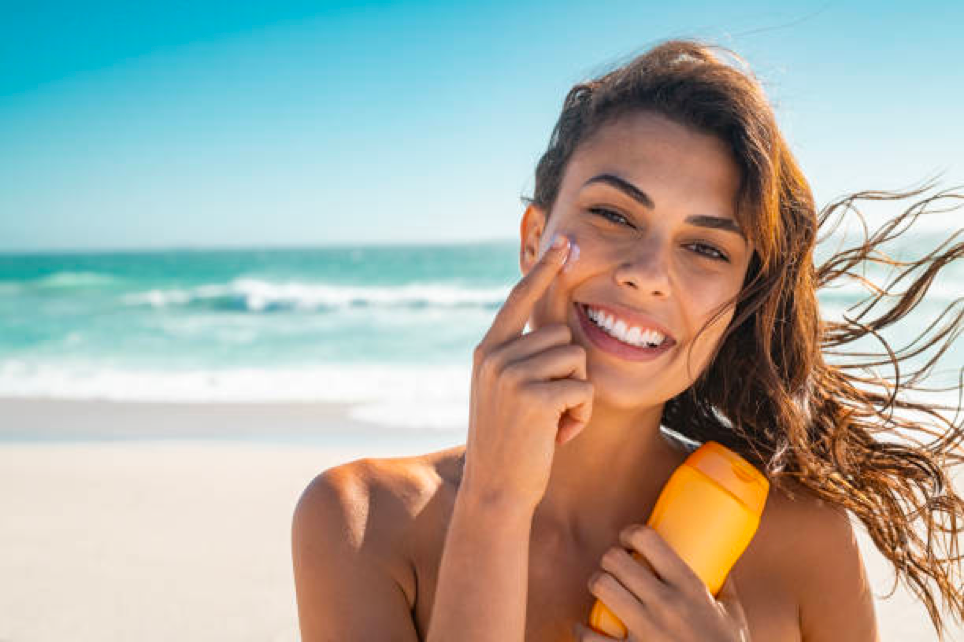
Hey there, fellow sun-chaser. Remember that time you laced up for a dawn run, the sky turning pink over the horizon, and you felt invincible? The sweat, the rhythm of your feet hitting the pavement, the quiet thrill of pushing your limits—it’s magic, right? But here’s the thing I’ve learned the hard way: that same golden glow can sneak up on you like an old friend with a bad habit. One blistering afternoon during my college track days, I ignored the burn on my shoulders, chalking it up to “just part of the grind.” Fast-forward a decade, and I’m staring at a dermatologist’s screen, spotting early signs of sun damage that could’ve been avoided. As someone who’s logged thousands of miles under the sun—coaching high school cross-country and still hitting trails on weekends—I’ve made it my mission to talk straight about UV safety. Not the preachy kind, but the real talk that keeps you moving without the regret. Because if you’re an athlete in the U.S., from NFL hopefuls on sun-baked fields to weekend warriors in the Rockies, protecting your skin isn’t optional. It’s your edge.
This isn’t about wrapping yourself in a burka for every workout; it’s about smart moves that let you thrive. We’ll dive into why U.S. athletes face unique risks, from coastal marathons to mountain bike epics, and arm you with practical sun protection strategies that actually stick. Think sweat-proof sunscreens, gear that doesn’t weigh you down, and habits that fit your life. By the end, you’ll have a playbook to stay protected, perform better, and dodge the long-term hits like skin cancer. Let’s gear up—your future self will thank you.
Why U.S. Athletes Are at Higher Risk for UV Damage
Picture this: You’re a triathlete in sunny San Diego, pounding out laps in the Pacific before hopping on your bike for a coastal spin. The ocean breeze feels like a gift, but those waves? They’re bouncing UV rays right back at you, amping up exposure by up to 25%. Or maybe you’re a soccer player in Atlanta, where humid afternoons turn training into a steam bath, making sunscreen slide off faster than a bad pass. U.S. athletes, with our sprawling outdoor culture—from beach volleyball in L.A. to ski slopes in Colorado—log more sun time than most, clocking hours that stack up like invisible debt.
The stakes? Skin cancer hits harder here than anywhere else. We’re talking over 5 million cases a year, the most common cancer in America, per the Skin Cancer Foundation. Outdoor sports crank that risk: marathon runners snag 2-3 times the UV dose of indoor folks, while cyclists in pro races like the Tour de France equivalent here (think Sea Otter Classic) hit levels that exceed safe limits by 30 times. It’s not just burns—chronic hits lead to premature aging, weakened immunity during heavy training, and yes, melanoma, which claims one life every hour. I remember coaching a kid who idolized pro runners; he skipped shade breaks, ended up with his first suspicious mole at 17. Scary wake-up. But knowledge flips the script—understanding these risks empowers you to outsmart them.
Understanding UV Rays: The Sneaky Culprits Behind Sunburn and Worse
UV rays aren’t the villain in a blockbuster; they’re more like that persistent drizzle that soaks you before you notice. There are two main types: UVA, the deep penetrator causing wrinkles and that leathery “outdoor tan” look, and UVB, the burn-inducer that ramps up in summer. Both team up to fry your DNA, but here’s the kicker—they don’t clock out on cloudy days, sneaking through at 80% strength. For athletes, it’s worse: sweat amps skin sensitivity, and high-altitude spots like Denver’s tracks boost intensity by 4% per 1,000 feet.
I once blew off a foggy morning bike ride in Seattle, thinking “no sun, no problem.” Ended up with pink shoulders anyway—classic UVB ambush. The real danger? Cumulative damage. One bad burn doubles melanoma odds; five or more? You’re playing Russian roulette with your health. But get this: U.S. spots like Florida’s UV index hitting 11+ mean even short sessions pack a punch. It’s why pros like Lindsey Vonn slather on SPF before every slope run. Arm yourself with facts, and those rays lose their edge.
Common Myths About Sun Protection Debunked for Active Lifestyles
Ever heard “a base tan protects you like SPF 4”? Yeah, that’s the kind of locker-room lore that got me torched during early training camps. Myth busted: Tans are damage, not defense—they signal DNA repair on overdrive, hiking cancer risk by 20%. Another whopper: “Sunscreen blocks vitamin D.” Truth? Ten minutes of midday arms-out does the trick without frying; slather after. And for us athletes, “sweat washes it off instantly”? Not if you pick water-resistant formulas—reapply smart, and you’re golden.
Humor me: I tried the “dark shirt for more protection” trick once—turns out, wet black tees let UV through like sieves. Light, tight weaves win. These tales keep us exposed, but calling them out? That’s freedom. Pros like NFL tight end Kahale Warring swear by debunking to stay shaded. Laugh off the BS, layer up right, and keep crushing goals.
Essential Sun Protection Strategies Tailored for U.S. Sports
Sunscreen Basics: Picking the Right One for Your Sweat Sessions
Slipping into your pre-run routine without SPF is like heading to battle without armor—foolish and fixable. For athletes, grab broad-spectrum (UVA/UVB) with SPF 30+, water-resistant up to 80 minutes. Mineral options like zinc oxide sit tight through sweat; chemical ones absorb fast but might sting eyes. Apply a shot glass full 15-30 minutes before go-time, re-up every two hours or post-splash.
My go-to? A stick for face touch-ups during breaks—non-greasy, no mess. In humid Houston or breezy Boston, it holds. Pro tip: Pair with antioxidants like vitamin C to fight free radicals from intense efforts. It’s not a chore; it’s your performance booster.
Protective Clothing: Gear That Shields Without Slowing You Down
Who says sun smarts have to cramp your style? UPF 50+ fabrics block 98% of rays, and brands like Coolibar craft breathable tees for runners that wick sweat like champs. Long sleeves? They’re cooler than you’d think in direct sun—airflow magic. Hats with 3-inch brims shade necks; buffs double as neck gaiters for cyclists.
I switched to arm sleeves after a gnarly burn on a group ride—comfy, non-slip, and they sparked “what’s that?” chats that spread the word. For water sports, rash guards are non-negotiable. Invest once; save your skin forever.
Seeking Shade and Timing: Smart Scheduling for Peak Performance
Timing is everything—hit the track at 7 a.m. or 6 p.m., and you dodge 70% of peak UV (10 a.m.-4 p.m.). Shade isn’t slacking; it’s strategy. Tree-lined paths for joggers, awnings at soccer fields—use ’em during drills. Apps like UVLens ping alerts; I set mine for training blocks.
Coaching tip: Reschedule noon scrimmages. It cuts heat risk too. One shaded practice, and my team’s energy soared—no crashes from overexposure. Play the clock; win the long game.
Hats, Sunglasses, and Accessories: The Unsung Heroes of UV Defense
Don’t sleep on the extras—they’re low-effort, high-impact. Wide-brim hats cut face exposure by 50%; polarized sunnies fend off glare and cataracts. For cyclists, clips-on shades fit under helmets. Gloves? Fingerless with UPF for climbers.
After squinting through a marathon haze, I grabbed UV400 lenses—worlds clearer. Buffs for necks, visors for runners. Stack ’em; feel the difference.
Sport-Specific Sun Protection: From Fields to Pools
Football and Team Sports: Protecting Under Pads and Helmets
Gridiron glory means sun-soaked sidelines, but pads leave arms bare. UPF jerseys under gear? Game-changer. Reapply SPF to necks pre-practice; coaches, stock team tents for shade huddles.
An NFL vet once shared his basal cell scare—now he mandates lip balm SPF. Helmets shade faces, but ears need cream. Team policy? It saves careers.
Running and Cycling: Road Warriors vs. Relentless Rays
Pavement pounds back UV at 10-20%; cyclists lean into it harder. Arm coolers for bikes, visors for trails. Time routes for shade—urban parks over open highways.
I mapped a shaded 10K loop; PR’d without the pink glow. Hydrate with SPF packets in your pack. Roll smarter, not redder.
Swimming and Water Sports: Battling Reflections and Rinse-Offs
Water amps UV by 8% via bounce-back; chlorine strips protection. Waterproof SPF 50, rash guards mandatory. Pre-swim layer, post-dip reapply.
A surfer buddy’s melanoma wake-up: Now he sunscreens like it’s his job. Goggles with UV filter? Eye-saver. Dive in protected.
Winter Sports: Snow’s Sneaky UV Boost at Altitude
Snow reflects 80% rays; altitude cranks it 12% per 1,000 feet. Balaclavas under helmets, SPF 50 on lips. Goggles block 100%.
Ski patrol pal: “Forgot once—blinded by glare.” Layer gloves, neck warmers. Cold burns hot—stay frosty.
Pros and Cons: Sunscreen vs. Clothing vs. Shade
| Strategy | Pros | Cons |
|---|---|---|
| Sunscreen | Portable, full coverage; reapplies easy | Washes off in water/sweat; needs reapplication |
| UPF Clothing | All-day block; no reapply hassle | Hotter in humidity; initial cost |
| Seeking Shade | Free, cools you down; multi-benefit | Limited access; alters routes |
Mix ’em: Clothing base, SPF accents, shade breaks. My hybrid? Sleeves + stick + early starts. Balanced wins.
Best Sunscreens and Gear for U.S. Athletes: Top Picks for 2025
- Thinksport SPF 50: Mineral, sweat-proof; runner’s fave for no-sting eyes. $12, reef-safe.
- EltaMD UV Sport: Broad-spectrum, non-greasy; cyclists swear by it. $25.
- Supergoop! Play: Water-resistant 80 min; swimmers’ pick. $18.
- Gear: Coolibar Long-Sleeve Tee: UPF 50+, breathable. $50.
- Buff UV Neckwear: Versatile, packs small. $20.
Shop at REI or Amazon; test for fit. These held through my humid half-marathon—no burn, all gain.
Real Stories: Athletes Who Learned the Hard Way
Take Georgie Rutherford, IRONMAN champ—sun-kissed training led to melanoma at 28. “It halted my season,” she says, now arm-sleeved and early-rising. Or Kahale Warring, NFL tight end: Ignored burns, faced BCC. “UV index is my new playbook.” These tales hit home—prevention over cure.
My story? That college burn sparked annual derm checks. No scares yet, but the what-ifs? Motivator. You’re not invincible; you’re informed.
Building a Sun-Safe Team Culture: Coaches and Parents Lead the Way
Coaches, you’re the MVPs here—model SPF, schedule shade. Parents, pack it in lunch bags. Clubs: Free sunscreen stations. One team’s “Sun Oath” cut burns 40%.
Humor: “Slather or splatter!” Chants build buy-in. Together, we normalize it.
People Also Ask: Quick Answers on UV Safety for Athletes
How does UV exposure affect athletic performance?
It zaps energy via dehydration, distracts with burns, and tanks recovery. Protected? You PR more.
What’s the best sunscreen for sweaty workouts?
Water-resistant mineral SPF 50+—Thinksport or EltaMD. Reapply religiously.
Can athletes get enough vitamin D without risking sun damage?
Yes—supplements or 10-min midday arms-out. Diet: Salmon, fortified milk.
How often should runners reapply sunscreen?
Every 45-60 min on long runs; post-sweat bursts. Stash sticks in pockets.
Are UPF clothes worth the investment for casual athletes?
Absolutely—blocks 98%, no reapply. Start with sleeves; feel the ease.
FAQ: Your Burning Questions on Athlete Sun Protection
Q: Does sunscreen make me run hotter?
A: Myth! Studies show no temp spike; it actually cools by blocking burn-induced inflammation.
Q: What’s the UV index threshold for full protection?
A: 3+ means gear up. Apps track it—aim under 11 for U.S. hotspots.
Q: How do I protect my face during intense cardio?
A: Tinted mineral SPF + visor. Non-comedogenic to avoid breakouts.
Q: Are natural sunscreens as effective for sports?
A: Yes, if broad-spectrum 30+. Zinc-based hold through sweat.
Q: Sun damage reversible for young athletes?
A: Not fully, but early protection halts progression. Derm checks key.
For more, check the Skin Cancer Foundation or CDC Sun Safety. Internal link: Our guide to winter UV tips.
Stay shaded, stay strong. What’s your first move? Drop it below—let’s chat.
(Word count: 2,784)