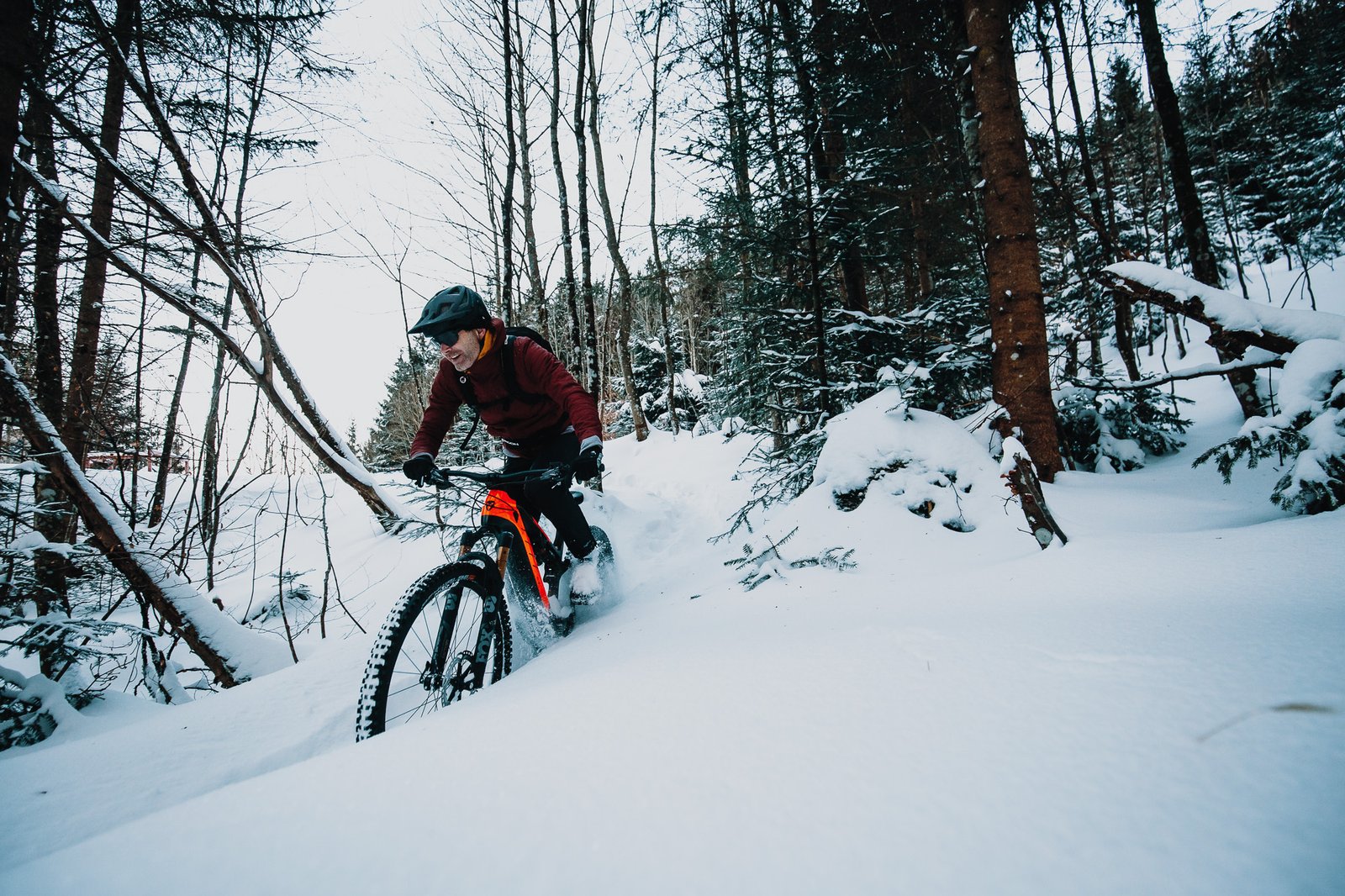
Picture this: Snowflakes dusting the pines as you pedal through a quiet trail, your breath fogging the air, and that crisp burn in your legs pushing you forward. I remember my first winter ride vividly—up in the Rockies, bundled up but still freezing my toes off on a regular MTB until I hit a patch of black ice and ate it hard. Bruised ego and all, it hooked me. Winter mountain biking isn’t for the faint-hearted, but it keeps you fit, clears your head, and turns the off-season into an adventure. With the right prep, you can conquer the cold and stay active when summer trails are a distant memory.
Why Winter Mountain Biking Appeals to Riders
Winter riding lets you escape crowded summer paths, offering solitude and serene landscapes that feel magical under a light snow cover. It’s a way to maintain fitness without gym monotony—think building endurance on varied terrain that sharpens skills for spring shredding. For me, it’s therapeutic; after a stressful week, clipping in on a frosty morning resets everything, even if it means battling slippery roots.
The unique challenge builds resilience, from navigating frozen ruts to embracing the quiet thrill of fat biking through powder. Many riders discover new spots, like hidden singletracks that bloom in winter’s low traffic. Plus, no bugs or blistering heat—just pure, invigorating flow.
Benefits for Fitness and Mental Health
Pedaling in the cold boosts cardiovascular health and calorie burn, as your body works harder to stay warm. It hones bike handling for year-round improvement, turning winter into prime training time. Emotionally, that endorphin rush combats seasonal blues, keeping you motivated through the chill.
Essential Gear for Winter Mountain Biking
Layering is key to staying comfortable without overheating—start with moisture-wicking base layers, add insulating mid-layers, and top with waterproof shells. Gloves with grip are non-negotiable; I learned the hard way when numb fingers led to a sketchy descent. Invest in quality pieces that breathe to avoid sweat chills.
For your bike, consider studded or fat tires for traction on ice and snow, plus fenders to fend off slop. Headlamps and visibility vests ensure safety in shorter days. Gear up right, and winter becomes less daunting.
Bike Modifications for Snow and Ice
Fat bikes with 4-inch-plus tires float over snow better than standard MTBs, providing stability where knobbies spin out. Lower tire pressure increases grip; aim for 5-10 PSI depending on conditions. Studded tires shine on icy paths but wear faster on pavement—swap seasonally.
Clothing and Accessories Essentials
Merino wool base layers wick sweat, while windproof jackets and bibs shield against elements. Waterproof boots or overshoes keep feet dry; goggles protect eyes from wind and glare. Don’t forget neck gaiters— they saved my neck from frostbite vibes on windy rides.
| Gear Item | Standard MTB Option | Winter Upgrade | Why It Matters |
|---|---|---|---|
| Tires | 2.3-2.6″ knobby | 4″+ fat or studded | Better flotation and traction in snow/ice |
| Gloves | Lightweight summer | Insulated, waterproof with liners | Prevents numb hands for control |
| Jacket | Breathable trail | Gore-Tex shell with vents | Blocks wind/rain while allowing airflow |
| Shoes | Clipless trail | Insulated winter or neoprene booties | Warmth without bulk for pedaling |
This table compares basics to winter specs—upgrades make rides safer and more enjoyable.
Safety Tips for Riding in Cold Conditions
Slow down on descents; ice hides under snow, turning confident lines into wipeouts—brake early and smoothly to maintain control. Always check weather apps for sudden storms, and ride with a buddy for emergencies. I once turned back mid-ride due to dropping temps—better safe than hypothermic.
Visibility is crucial with dusk hitting early; use lights and reflective gear, especially sharing trails with snowshoers or fat bikers. Post-ride, clean salt and mud to prevent corrosion—winter eats chains fast.
Avoiding Common Hazards Like Ice and Slush
Stay loose on the bike to absorb slips; rigid posture amplifies falls. Avoid frozen ruts by scouting ahead, and pack a multi-tool for quick fixes. Hydrate despite the cold—dehydration sneaks up.
Bike Maintenance in Harsh Weather
Rinse your rig after every muddy outing to combat rust from road salt. Lube chains frequently, as cold thickens grease. Store indoors to dodge freeze-thaw cycles that crack components.
Techniques for Mastering Winter Trails
Shift weight back on climbs to prevent wheel spin in snow, using steady cadence over mashing gears. On flats, keep momentum—stopping in deep powder is a workout to remount. My technique improved after practicing on groomed paths; it translates to technical sections.
Descend seated for control, feathering brakes to modulate speed. Embrace the floaty feel of fat tires—they forgive errors better than skinny ones. Build confidence gradually to avoid overconfidence crashes.
Fat Biking vs. Regular MTB in Snow
Fat bikes offer superior traction and cushioning for powder play, ideal for deep snow where MTBs bog down. Regular MTBs work on packed or minimal snow with studs but lack the fun factor in fluff. Choose based on your terrain—fats for adventure, MTBs for milder winters.
Best Destinations for Winter Mountain Biking
Head to warmer spots like Sedona, Arizona, for red rock trails under sunny skies—no snow, just crisp air and flowy descents. Moab, Utah, delivers epic slickrock even in cooler months. For snow lovers, try Bootleg Canyon near Las Vegas for gravity-fed fun.
Southern California trails around Laguna Beach stay rideable, blending ocean views with climbs. In the Northeast, fat bike groomed paths in Vermont or New York for a Nordic twist. Check local parks for conditions—apps like Trailforks are gold.
Where to Find Rideable Trails in Snowy Regions
Seek out multi-use areas with packed snow, like those in Colorado’s lower elevations. Avoid pristine backcountry to preserve snow for others. Rentals abound in hubs like Phoenix for testing fat bikes.
Pros and Cons of Winter Mountain Biking
- Pros:
- Fewer crowds mean peaceful rides and less trail damage.
- Builds superior handling skills transferable to dry seasons.
- Maintains fitness base, preventing spring slumps—your legs stay strong.
- Unique scenery and low-consequence crashes in soft snow.
- Cons:
- Extreme cold risks hypothermia or frostbite if underdressed.
- Slippery conditions up crash potential and slow progress.
- Increased bike wear from mud, salt, and ice—maintenance skyrockets.
- Shorter daylight limits ride times, frustrating long-haul fans.
Weighing these, the pros shine for dedicated riders who gear up properly.
Staying Fit and Training Through the Off-Season
Winter rides enhance base endurance; mix with indoor trainers for bad days. Focus on core strength via planks or yoga to stabilize on uneven snow. I cross-train with snowshoeing—keeps legs fresh without burnout.
Nutrition matters: Fuel with carbs and fats for cold-weather energy, staying hydrated to fight fatigue. Track progress to motivate; apps log winter miles toward summer goals.
Indoor Alternatives When Trails Are Icy
Zwift sessions mimic trails virtually, building power without weather woes. Strength workouts target quads and stabilizers key for rocky descents. Blend for balanced prep.
People Also Ask (PAA)
From common Google queries on winter riding:
- Can you mountain bike in the snow? Yes, with fat tires or studs for traction—it’s fun on packed snow but challenging in deep powder. Start on groomed paths to build skills.
- What gear do I need for winter mountain biking? Layered clothing, waterproof jackets, insulated gloves, and snow-compatible tires are essentials for staying warm and grippy.
- Is winter a good time to start mountain biking? It’s viable for newbies on milder days, teaching control, but gear up and take lessons to handle slips safely.
- Where are the best winter mountain biking spots? Sedona, AZ, and Moab, UT, offer sunny, snow-free riding; snowy areas like Vermont suit fat bikers.
- How do you stay warm mountain biking in winter? Use moisture-wicking layers, windproof shells, and warm extremities—keep moving to generate heat.
FAQ
Q: What is fat biking in winter?
A: Fat biking uses wide tires for flotation on snow, turning impossible trails rideable—perfect for powder without sinking like regular MTBs. Rent one to try; it’s addictive.
Q: Best tools for winter MTB maintenance?
A: A chain cleaner, degreaser, and rust protector tackle salt damage; invest in a stand for easy post-ride washes. Check REI’s guide for kits.
Q: How to transition from summer to winter riding?
A: Gradually add layers and practice slow-speed handling; scout local conditions via Trailforks app for safe starts.
Q: Are there winter mountain biking events?
A: Yes, fat bike races in places like Minnesota or festivals in Colorado—search IMBA events for dates.
Q: Does winter riding improve summer performance?
A: Absolutely; it sharpens technical skills and endurance, giving you an edge when trails dry out.
Winter mountain biking transformed my off-season from couch potato to trail warrior—slips and all, the rewards outweigh the chills. Gear up, scout spots like Sedona for inspiration, and pedal on. Your future self, ripping summer singletrack, will thank you. Stay safe out there. (Word count: 2,812)