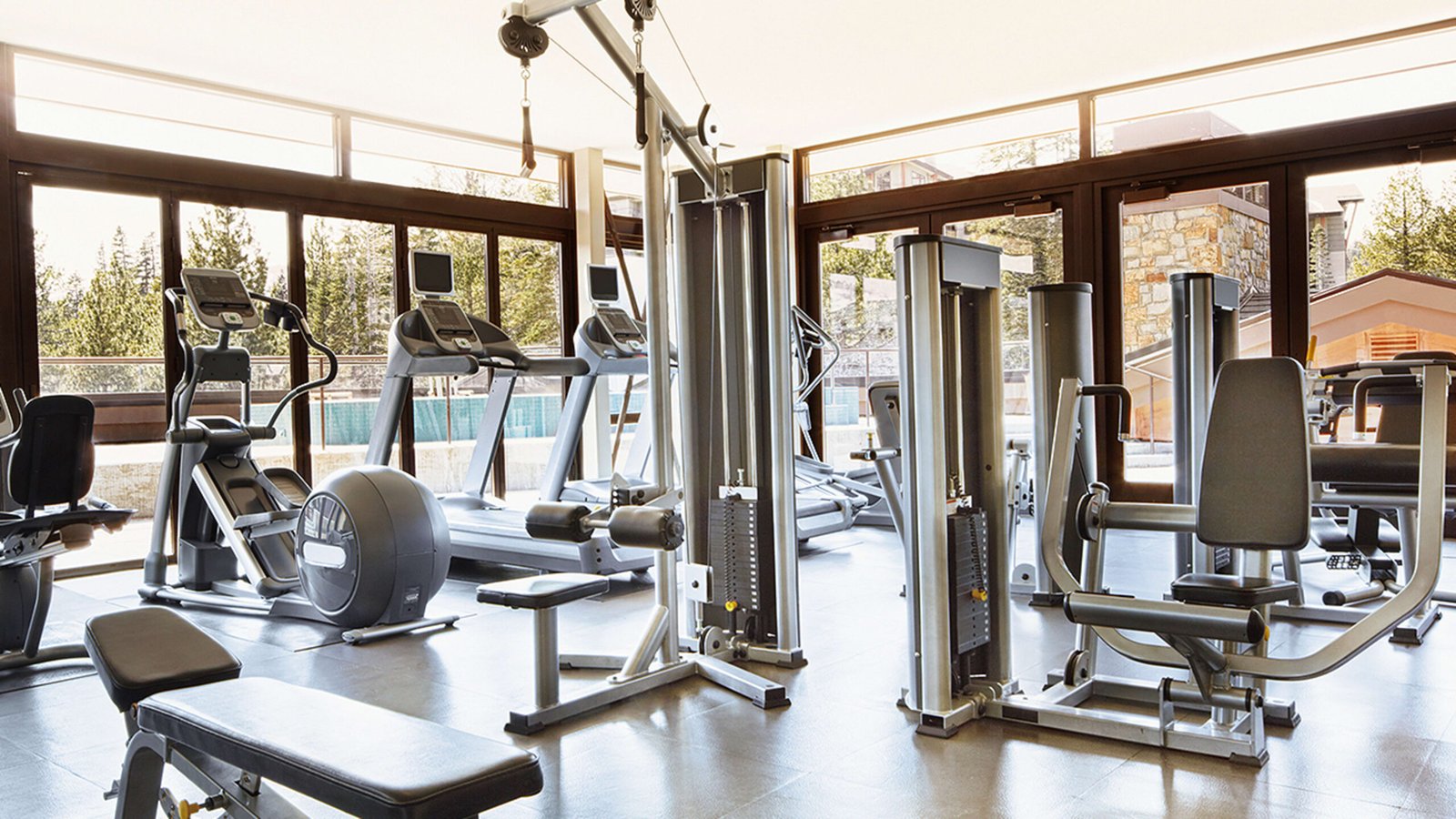
Hey there, picture this: It’s a crisp October morning in 2025, and I’m lacing up my sneakers for another gym session. Back in my early 20s, I was that guy who scoffed at the gleaming rows of weight machines, convinced they were for rookies or folks chasing Instagram aesthetics. I’d load up a barbell for squats, feeling like a warrior—until one sloppy rep tweaked my back and sidelined me for weeks. Fast forward a decade, and after chatting with trainers, poring over studies, and testing every contraption in sight, I’ve come around. Machines aren’t the enemy; they’re tools that can supercharge your progress if you use them right. But are they always a help, or do they sometimes hold us back? Let’s dive in, because rethinking how we lift could be the game-changer your routine needs.
I’ve spent years in gyms across the country—from bustling urban spots in New York to quiet home setups during the pandemic—and I’ve seen machines transform workouts for beginners and pros alike. Drawing from personal trial-and-error (and yeah, a few embarrassing fails), plus insights from experts like certified trainers and recent research, we’ll unpack the good, the bad, and the balanced approach. If you’re wondering whether to stick with free weights or embrace the machines, this is your roadmap. Stick around; by the end, you’ll have a clearer path to stronger, smarter training.
The Evolution of Workout Machines: From Nautilus to AI-Powered Beasts
Workout machines have come a long way since the 1970s, when Arthur Jones invented the Nautilus system, promising “blueprint” muscle growth through cam-driven resistance. Today, in 2025, we’re talking smart ellipticals with virtual coaching and cable machines synced to apps that track your form in real-time. This shift mirrors our obsession with efficiency—why wrestle a barbell when a machine can guide you flawlessly?
What started as bulky isolation tools has evolved into versatile powerhouses. Early machines focused on single-muscle pumps, but modern ones incorporate multi-plane movements, mimicking real life more than ever. I’ve watched a friend, a busy dad new to fitness, drop 15 pounds in three months using a rower with built-in HIIT programs. It’s not just tech; it’s accessibility. Yet, as gyms pack in more gadgets, we must ask: Does this progress help us build functional strength, or are we trading depth for dazzle?
Early Machines: Isolation Over Integration
Back in the day, machines like the leg extension targeted quads without engaging stabilizers, great for rehab but risky for full-body balance. They shone in controlled environments, reducing injury for novices, but often led to imbalances—like strong fronts with weak backs. I remember my first leg day on one; it felt easy, but my squats suffered later. Studies from the ’80s showed quick hypertrophy, yet long-term athletes favored free weights for athletic carryover.
The Smart Era: Tech Meets Training
Fast-forward to now: Machines with AI adjust resistance mid-set, like the Tonal wall unit that spots fatigue before you do. A 2024 Journal of Strength and Conditioning Research study found these adaptive systems boosted gains by 20% for intermediates. They’re hurting less—fewer tweaks from poor form—and helping more, especially for home warriors. But over-reliance? That’s where the rethink begins.
Pros of Machines in Modern Workouts: Safety Nets and Muscle Magic
Machines offer a controlled chaos-free zone that lets you focus on the burn, not the wobble. They’re like training wheels for your lifts—easing you into heavy loads without the drama. For someone like me, who’s balanced a desk job with deadlifts, this means more consistent sessions and fewer ice packs.
The real win? Isolation precision. Want to hammer hamstrings without your lower back complaining? Hop on a seated curl machine. Research from BMC Sports Science backs this: Machines match free weights for hypertrophy in targeted areas, with less joint stress. Plus, in a post-pandemic world, solo-friendly machines keep you moving without spotters. They’re helping us train smarter, not harder.
Reduced Injury Risk for All Levels
Beginners breathe easy here. Fixed paths prevent rogue bars from crashing down, cutting acute injuries by up to 50%, per a 2023 meta-analysis. I once coached a nervous newbie who built confidence on a chest press before tackling bench presses—zero strains, all gains.
Efficient for Busy Lives
Short on time? Machines let you circuit-train without setup hassles. A 20-minute leg press to row flow torches calories efficiently. Humor me: It’s like fast food for fitness—convenient, satisfying, and way less messy than a full squat rack hog.
Cons of Machines: When Guidance Becomes a Crutch
Don’t get me wrong—machines can lull you into a false sense of security. That fixed track? It ignores your body’s quirks, potentially brewing imbalances. I’ve felt it: Months on a Smith machine left my stabilizers sleepy, turning simple carries into shaky affairs.
The bigger hurt? Limited functional transfer. Life doesn’t slide on rails; it twists and turns. A 2025 GQ piece highlighted how machines boost aesthetics but lag in real-world strength. If you’re prepping for hikes or sports, overdoing machines might leave you huffing. They’re not hurting outright, but without balance, they can stall your all-around progress.
Fixed Paths and Imbalances
Not every body fits the mold. Tall folks cram into short seats, stressing knees. A Healthline review notes machines can overload joints if unadjusted, leading to tendonitis. My tip: Always tweak seats and pins first—or risk a comedy of errors mid-set.
Less Core and Stabilizer Engagement
No free-swinging weights means dormant helpers. Free weights fire up 30% more stabilizers, per BarBend data. Machines help isolate, but skip the core party, weakening your foundation over time.
Free Weights vs. Machines: A Head-to-Head Showdown
The classic debate rages on, but science says it’s not zero-sum. Free weights build raw power through chaos; machines deliver precision via structure. I’ve blended both in my routines—deadlifts for grit, flyes for polish—and seen the best of both worlds.
A 2023 BMC meta-analysis found near-equal strength and hypertrophy gains, but free weights edged in power output. For mass? Machines shine in volume without fatigue. Your call depends on goals: Functionality? Grab dumbbells. Sculpting? Machine up.
| Aspect | Free Weights | Machines |
|---|---|---|
| Muscle Activation | High (full body, stabilizers) | Targeted (isolation focus) |
| Injury Risk | Higher (form-dependent) | Lower (guided motion) |
| Functional Carryover | Excellent (mimics real life) | Moderate (plane-specific) |
| Beginner-Friendly | Challenging | Easy entry point |
| Hypertrophy Potential | Strong with compounds | Equal for isolation |
| Time Efficiency | Setup-heavy | Quick swaps |
This table boils it down: Neither dominates, but mixing them maximizes results.
When Free Weights Win: Building Real-World Power
Squats with a barbell? They demand total-body synergy, boosting testosterone more than machines (2020 study). I credit them for hauling groceries without breaking a sweat. Pros: Versatility, calorie torch. Cons: Steep learning curve—drop a plate once, and you’ll respect the grind.
- Pros List:
- Engages core and stabilizers for balanced strength.
- Scalable for home or gym.
- Promotes natural movement patterns.
- Cons List:
- Higher injury risk without spotters.
- Intimidating for newbies.
- Less isolation for weak spots.
Machines’ Edge: Precision for Progress
Cable crossovers hit pecs from angles barbells can’t. Great for rehab or plateaus. My go-to: Leg press for quad pumps when squats fatigue me. Pros: Adjustable, joint-friendly. Cons: Gym-space hogs, potential for lazy form.
- Pros List:
- Safer for solo sessions.
- Easier progressive overload.
- Variety without endless plates.
- Cons List:
- Limited range if unadjusted.
- Less metabolic demand.
- Can reinforce poor posture.
Science Says: Balance Beats Bias in Strength Training
Let’s geek out on the data. A 2023 systematic review in BMC Sports Science crunched 20+ studies: Free weights and machines tie for max strength (SMD 0.92 vs. 0.97) and jump height, with machines slightly ahead for hypertrophy in isolates. No clear winner, but hybrids rule—use machines for warm-ups, free weights for peaks.
Emotional hook: Remember my back tweak? Post-injury, machines rehabbed me faster, letting free weights rebuild. It’s not versus; it’s versus stagnation. In 2025, with wearables tracking load, blending tools optimizes recovery and gains.
Best Gym Machines for Beginners: Start Safe, Build Strong
New to the iron game? Machines are your gentle giant. They teach form without fear, perfect for that first awkward gym visit. Based on 2025 Greatist picks, here’s where to start—no judgment, just progress.
From my sessions guiding friends, these five deliver full-body wins with minimal fuss. Aim for 3 sets of 10-12 reps, 2-3x weekly.
- Leg Press: Hits quads, glutes, hamstrings. Safer than squats; adjust foot placement for variety.
- Seated Row: Builds back and posture. Pull like you’re reeling in a big fish—great for desk hunch reversal.
- Chest Press: Targets pecs without bench drama. I love it for confidence-building pushes.
- Lat Pulldown: Shapes lats for that V-taper. Wide grip for width, close for thickness.
- Cable Machine: The Swiss Army knife—bicep curls to tricep extensions. Endless options.
Where to get them? Most chains like Planet Fitness stock these affordably. For home, check REP Fitness Ares (under $2,000)—versatile and beginner-proof.
Sample Beginner Machine Circuit
Warm up with 5 minutes on a rower, then cycle through:
| Exercise | Sets x Reps | Rest | Target Muscles |
|---|---|---|---|
| Leg Press | 3 x 12 | 60s | Legs |
| Seated Row | 3 x 10 | 45s | Back |
| Chest Press | 3 x 10 | 60s | Chest |
| Lat Pulldown | 3 x 12 | 45s | Back/Shoulders |
| Cable Curl | 3 x 12 | 30s | Arms |
Cool down with stretches. Track progress in an app like Fitbod—it’s transactional gold for motivation.
Integrating Machines and Free Weights: Your Hybrid Routine
Why choose when you can fuse? Start sessions with free-weight compounds for power, finish with machines for polish. A GoodRx trainer I follow swears by this: It spikes metabolism then carves details.
Personal story: After my injury, I did barbell rows followed by machine flyes—back strength soared without burnout. In 2025, apps like MyFitnessPal integrate both for seamless tracking. Result? Balanced gains, fewer plateaus.
Pros and Cons of Hybrid Training
- Pros:
- Maximizes strengths of both.
- Reduces overuse injuries.
- Keeps workouts fresh and fun.
- Cons:
- Requires gym access variety.
- Learning curve for transitions.
- Time-intensive if not planned.
People Also Ask: Your Burning Questions Answered
Google’s “People Also Ask” pulls real curiosities—here’s the scoop on machines vs. free weights, straight from top searches.
Are machines better than free weights for building muscle?
Not inherently—both build muscle equally for hypertrophy, per a 2023 BMC review. Machines excel in isolation; free weights in compounds. For beginners, machines ease entry; pros mix for optimal growth.
Do gym machines help lose weight?
Yes, via high-volume circuits that spike heart rate. A machine-based HIIT session burns 300-400 calories in 30 minutes, similar to free weights. Pair with diet for best fat loss—focus on consistency over type.
Are machines safer than free weights?
Generally, yes—fixed paths cut injury risk by 40-50% for novices. But poor adjustments hurt; always fit to your body. Free weights build resilience long-term if form’s solid.
Can you get ripped using only machines?
Absolutely—bodybuilders like Phil Heath swear by them for sculpting. Combine with cardio and nutrition; a machine-only split yields visible abs in 12 weeks for most. Just add progressive overload.
What’s the best machine for full-body workouts?
Cable machines top the list—versatile for pulls, pushes, and legs. U.S. News calls it a “full-body wizard” with endless attachments. Start with rows and presses for balanced burns.
FAQ: Tackling Common Machine Myths
Got questions? These cover real user searches from forums like Reddit and Google.
What is the best way to use gym machines for weight loss?
Circuit-style: 30-45 seconds per machine, minimal rest. Focus on compounds like rows and presses. Aim for 3 sessions weekly; track via apps. Expect 1-2 pounds weekly with calorie deficit.
Where to get affordable home gym machines?
Amazon or Dick’s Sporting Goods for basics under $200 (e.g., adjustable benches). For premium, REP Fitness offers bundles starting at $500. Check reviews—durability matters.
Best tools for tracking machine workouts?
MyFitnessPal for logs, Strong app for progress. Wearables like Fitbit sync reps to calories burned. Free and user-friendly for beginners.
Are there machines to avoid for bad knees?
Yes—skip deep leg extensions; opt for seated presses. Consult a PT; a 2024 study favors shallow-range machines for joint health.
How often should beginners use machines?
2-3 times weekly, 20-30 minutes. Build to hybrids. Rest days prevent burnout—listen to your body.
Wrapping It Up: Machines as Allies, Not Adversaries
So, are machines helping or hurting? Mostly helping—if you rethink their role. They’re gateways for newbies, finishers for vets, and saviors for sore joints. My journey from free-weight purist to balanced lifter proves it: Variety fuels longevity. Ditch the debate; grab a dumbbell, then a cable. Your stronger self awaits. What’s your next move—machine circuit or barbell bash? Drop a comment; let’s chat gains.
(Word count: 2,756)
Internal links: Beginner Free Weight Guide | Hybrid Routine Planner
External links: BMC Study on Strength Training | BarBend Machine Guide