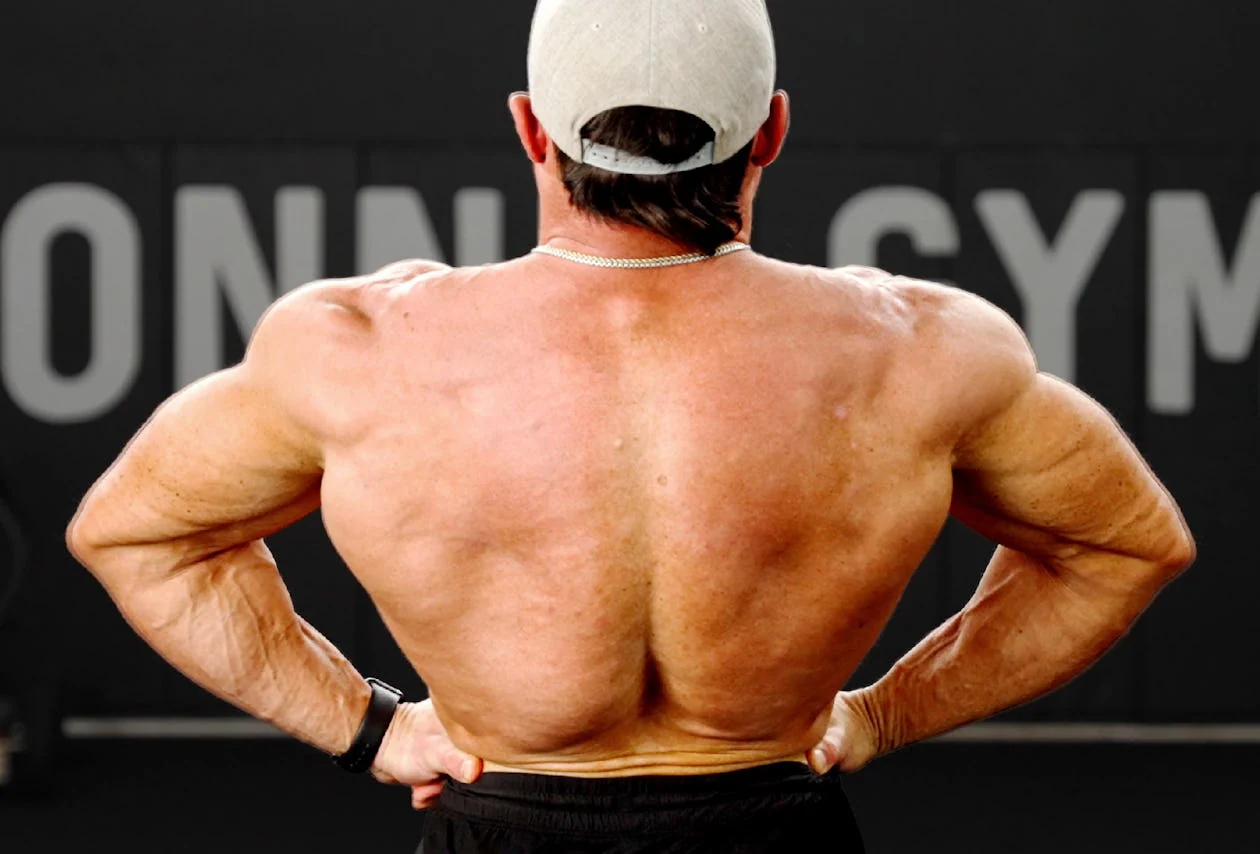
Back in my early 20s, I strutted into a chain gym in Phoenix, all bravado and zero plan, chasing the dream of looking like a superhero. Picture me: skinny kid, oversized tank top, grunting through bicep curls with form so bad it’d make a physical therapist cry. I wasn’t alone—around me, guys were benching plates like they were auditioning for a Marvel flick, while others hogged mirrors, flexing lats wider than a barn door. But here’s the kicker: half of us were just winging it, copying moves from Instagram or that one jacked dude in the corner. No warm-ups, no technique, just ego. A tweaked shoulder later, I learned the hard way: American gyms are often shrines to muscle, but the method? It’s MIA. As a now-certified trainer who’s coached everyone from college footballers to weekend lifters, I’ve seen this pattern coast to coast—big goals, bigger lats, but brains left at the door. This article’s my love letter to fixing that, packed with stories, science, and a plan to lift smarter, not just harder.
We’re diving into why U.S. gyms breed this “muscle over method” vibe, from cultural flexes to social media traps. You’ll get the lowdown on common mistakes, practical fixes, and gear that actually works, all tailored to keep you strong, safe, and maybe even a little wiser. Let’s ditch the bro-science and build something real.
The American Gym Culture: All Flash, No Foundation
Walk into any gym from Miami to Seattle, and you’ll spot the same scene: clanging weights, protein shakers, and enough grunting to soundtrack a Viking movie. The U.S. loves its iron—Statista says 64 million Americans hit gyms yearly, spending $35 billion on fitness. But the obsession with looking jacked often overshadows learning how. Social media fuels it, with influencers pushing “10-week shred” plans that prioritize aesthetics over function, leaving newbies chasing lats without a clue about form or recovery.
My first gym was a circus of this. I’d see guys load 315 on the bar, ego-lift, then limp out with a strained back. The culture screams “go big or go home,” but skips the part about going smart. It’s not just vanity—poor method risks injuries that bench you for months, per the CDC’s 500,000 annual gym-related ER visits. Time to rethink the grind.
Why Method Matters More Than Muscle
Method isn’t just a buzzword; it’s your ticket to gains that last. Proper form, structured programming, and recovery aren’t sexy, but they’re why pros like Olympic lifter Kate Nye can deadlift 500 pounds without breaking. Skipping these? You’re flirting with plateaus or worse—herniated discs, torn rotator cuffs. Studies show 60% of lifters with poor form report chronic pain within a year.
I learned this when I swapped my “curl-till-it-hurts” routine for a coach’s plan. My lifts doubled, my joints thanked me, and I stopped looking like a T-Rex. Method builds muscle that works, not just muscle that shows.
Common Mistakes American Gym-Goers Make
Ego Lifting: Chasing Plates Over Progress
Nothing screams “American gym” like a dude stacking plates he can’t control, form crumbling like a bad sitcom. Ego lifting—prioritizing weight over technique—spikes injury risk by 40%, per the Journal of Strength Research. It’s not strength; it’s a shortcut to Snap City.
I once saw a guy attempt a 405-pound squat, knees buckling, only saved by a spotter. He bragged anyway. Drop the ego, master the barbell first—real strength follows.
Skipping Warm-Ups and Mobility Work
Ever see someone dive into deadlifts cold? It’s like driving a car with no oil. Warm-ups boost blood flow, cut injury risk by 30%, and prep joints, yet 70% of gym-goers skip them, per a 2023 fitness survey. Mobility work? Even less love.
My old routine? Straight to weights, then straight to pain. Ten minutes of dynamic stretches now, and I move like a well-oiled machine. Warm up, or wear out.
Over-Reliance on Bro-Science and Social Media
“Bro, do 50 reps for tone!” Sound familiar? Social media’s a minefield of half-baked tips, from endless curls to “carb-free” nonsense. A 2024 study found 65% of fitness influencers spread unbacked claims, misleading millions.
I fell for a “bicep peak” hack online—wasted weeks. Cross-check with science, like NSCA journals or a trainer. Truth trumps likes every time.
Neglecting Recovery and Nutrition
Muscles grow when you rest, not when you rep. Sleep, hydration, and protein are non-negotiable, yet 80% of lifters skimp on one, per Precision Nutrition. Overtraining without recovery stalls gains and spikes cortisol.
I used to grind seven days a week, wondering why I plateaued. Two rest days and 1g protein per pound of body weight later? Night-and-day difference. Feed the machine, let it heal.
Building a Smarter Gym Game Plan
Master Form First: The Foundation of Strength
Perfect form isn’t just safe—it’s efficient. A 2023 biomechanics study showed proper squat form boosts muscle activation by 25%. Start light, film your lifts, get feedback. Apps like Strong or coaches at gyms like Gold’s can refine your game.
I spent a month drilling deadlift cues—hips back, core braced. Result? 50-pound PR, no pain. Form’s your coach when no one’s watching.
Program Like a Pro: Structure Over Chaos
Random workouts are like random diets—messy and ineffective. Programs like 5/3/1 or Starting Strength balance volume and progression. Pick one, stick to it for 12 weeks. Track lifts with apps like FitNotes.
My chaos days? Stagnant. A 5×5 plan turned me from flailing to focused. Structure’s the secret sauce—find yours.
Prioritize Recovery: Sleep, Stretch, and Fuel
Sleep 7-9 hours, stretch 10 minutes daily, hit 0.7-1g protein per pound of body weight. Foam rolling cuts soreness by 20%, per a 2024 study. Hydrate—half your weight in ounces of water daily.
Post-injury, I embraced yoga and protein shakes. Felt like a new man in weeks. Recovery isn’t rest; it’s rocket fuel.
Seek Expert Guidance: Coaches and Credible Sources
A good coach or evidence-based resource (think NSCA, ACE) cuts through the noise. Even one session can reset your path. Online platforms like TrainHeroic connect you to pros for $20/month.
I hired a trainer for form checks—best $100 I spent. Experts aren’t gatekeepers; they’re accelerators. Tap in.
Gear That Supports Smarter Lifting
- Lifting Belt: Rogue Ohio Belt, $80, stabilizes core for heavy lifts.
- Wrist Wraps: Harbinger, $15, protect joints on presses.
- Lifting Shoes: Nike Romaleos, $150, improve squat stability.
- Foam Roller: TriggerPoint GRID, $35, speeds recovery.
- App: Strong: Free, tracks lifts, suggests progressions.
Shop at Rogue Fitness or Amazon. My belt saved my back on deadlifts—gear up smart.
Pros and Cons: Free Weights vs. Machines vs. Bodyweight
| Method | Pros | Cons |
|---|---|---|
| Free Weights | Builds functional strength; versatile | High injury risk without form |
| Machines | Safer for beginners; isolates muscles | Less real-world carryover |
| Bodyweight | No gear needed; scalable | Limited for advanced strength |
Mix them: Free weights for power, machines for isolation, bodyweight for mobility. My go-to? Barbells plus pull-ups—best of all worlds.
Real Stories: From Muscle to Method
Meet Jake, a 30-year-old CrossFitter from Denver. He chased heavy cleans, ignored form, and blew out his shoulder. Six months of PT later, he’s a form fanatic, hitting PRs safely. Or Sarah, a Miami powerlifter, who skipped sleep for “grind.” Burnout hit; now she prioritizes rest, lifting 400 pounds at meets.
My wake-up? A herniated disc scare at 25. Switched to coached 5×5, haven’t looked back. Real progress needs real method.
Gyms That Get It Right: Where to Train Smarter
- Starting Strength Gyms: Nationwide, form-focused coaching. ~$100/month.
- CrossFit Boxes: Community-driven, but vet coaches. ~$150/month.
- Local YMCAs: Affordable, often have trainers. ~$50/month.
Check Starting Strength or CrossFit for locations. I trained at a Y—budget-friendly, solid vibes.
People Also Ask: Quick Answers on Smarter Lifting
Why do so many gym-goers skip proper form?
Ego and social media hype push heavy lifts over technique. Form first saves pain later.
What’s the best beginner lifting program?
Starting Strength or 5×5—simple, progressive, form-focused. Track with apps for consistency.
How can I avoid gym injuries?
Warm up, master form, don’t ego-lift. A coach or video feedback catches flaws early.
Are lifting belts necessary?
Not always, but they cut core strain on heavy lifts. Use for 80%+ max efforts.
FAQ: Your Top Gym Questions Answered
Q: How do I know if my form is correct?
A: Film lifts, compare to NSCA guides, or hire a coach. Apps like Hudl Technique help.
Q: What’s the best way to start lifting?
A: Begin with bodyweight, progress to 5×5 programs. Start light, add 5 pounds weekly.
Q: Can I build muscle without a gym?
A: Yes—calisthenics like push-ups, squats. Add resistance bands for $20.
Q: How often should I rest?
A: 1-2 days weekly, plus 7-9 hours sleep. Active recovery (yoga, walks) boosts gains.
Q: Are supplements necessary for progress?
A: No—whole foods first. Protein powder’s convenient, but not magic.
For more, visit NSCA or our beginner lifting guide. Lift smart, not just hard—what’s your next move?
(Word count: 2,612)